

Access to the Gospel in South Asia
New DMM training launched out of traditional churches in South Asia.
This quarter, 4:1 Network's Church Planter Training launched with local churches and indigenous mission agencies. The 15-18 month, five-module, skills-based training follows the Great Commission, equipping Church Planters for Evangelism, Discipleship, Church Formation, Leadership, and Multiplication. The first module, Evangelism, which is launching, equips Church Planters to enter new communities, meet people, and talk about Jesus. This includes getting to know the families in the area, build relationships, and conduct prayer walks around the communities they have targeted for outreach and in which to plant a church.

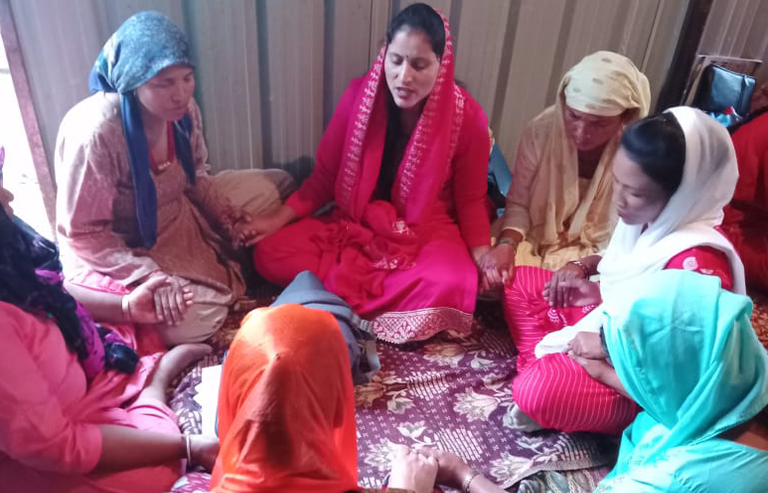
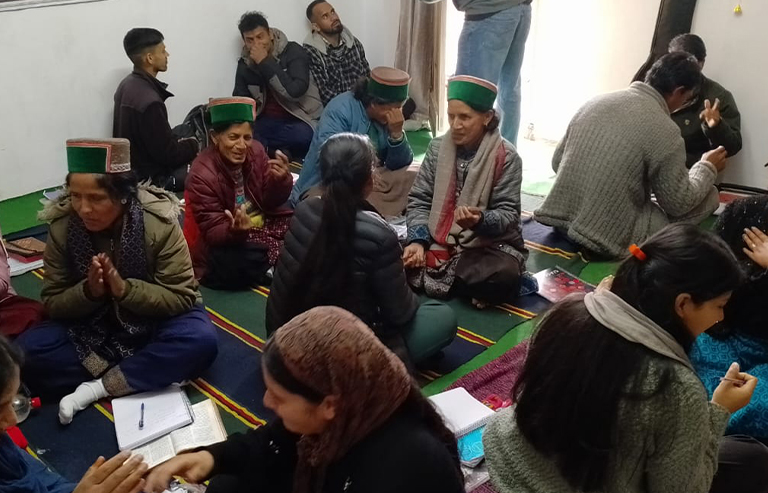
The training follows the Great Commission pattern; it is a job description of “what to do next,” and equips Church Planters through demonstration and role playing. The first training module focuses on choosing a location for outreach, learning how to meet new people, finding a "person of peace," talking about Jesus, sharing one's testimony, teaching songs, and inviting people to become a follower of Jesus. Each step is a skill that is learned and practiced. One Church Planters shares "Many things I learned that I never came across before. This training gives me the tools on how to communicate to people effectively and what to do when I meet them for the first time.” Pray for strength and encouragement as Church Planters share the Gospel and enter communities closed to Christian witness.
Access to Education and Healthcare in Uganda
53,454 patients, 33,800 farmers and 3,812 students.
This quarter, AsOne advanced its work across 7 communities in Uganda, ending 2025 having served 53,454 patients, enrolled 3,812 students, and trained 33,800 farmers. AsOne has conducted over 16,000 community surveys, affirming strong parent–teacher relationships and medicine availability while addressing transportation and healthcare access through added school coasters and expanded health outreach. 91% of students report growth in their relationship with Christ. Their agriculture programs helped farmers experience a 208% increase in yields and 86% of enterprise participants experienced a wage increase, informing their continued investment in demonstration farms and job-readiness training.

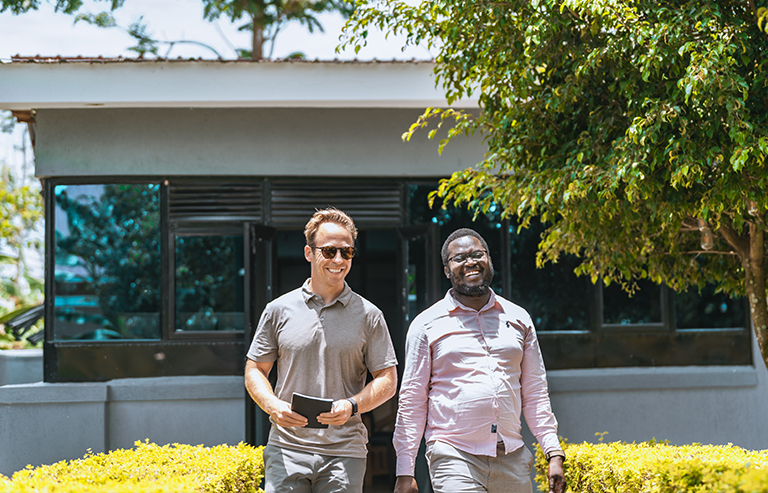
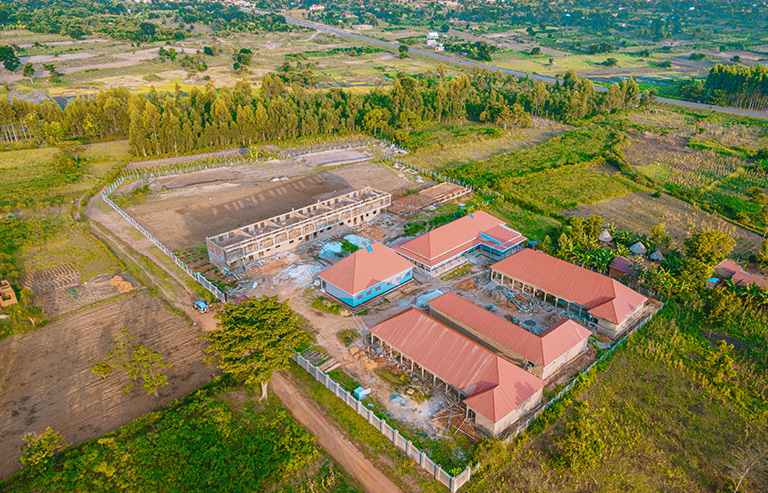
This quarter, we completed construction of a new Nursery and Primary School and Health Center in Community #8 in Pallisa and prepared both facilities for launch. We hired and onboarded new team members to staff the school and health center, ensuring they are equipped to deliver quality, Christ-centered services. In parallel, we began active community engagement to introduce these programs, build trust, and encourage enrollment and utilization. The school is on track to open later this month and will serve up to 350 students with holistic, discipleship-centered education. The health center is expected to serve approximately 5,500 patients, expanding access to essential healthcare in the region. Together, these milestones represent a significant step toward addressing long-standing educational and health needs in this underserved community.
Access to the Gospel in the Middle East & South Asia
2,054 baptized in the Middle East amidst massive flooding.
This quarter, Biglife made significant progress making disciples and reaching communities in the Middle East. 32,557 people attended 1,430 disciple making and Bible study training sessions, resulting in 1,021 new churches, 2,054 baptisms and the distribution of 10,000 Bibles to new believers. Biglife also provided emergency aid, distributing 154 emergency food bags to families in isolated, flood-struck regions that government aid missed, and offered medical and relief support by serving 4,084 men, women, and children through medical camps, transporting supplies to remote areas, and providing winter clothing for vulnerable families.

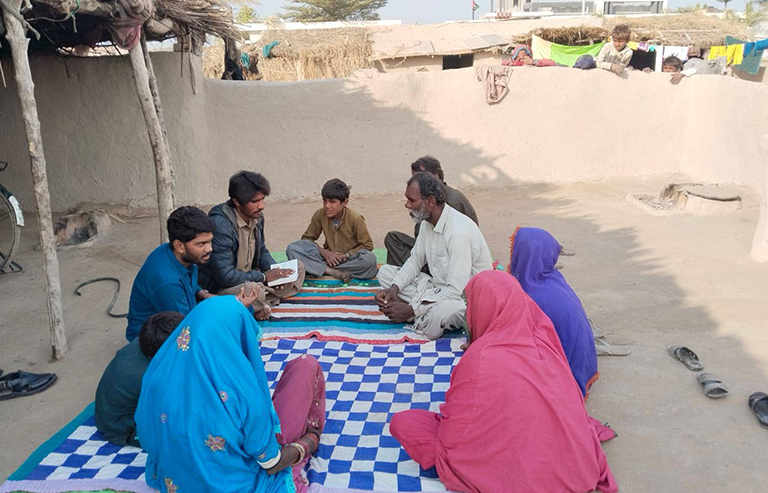
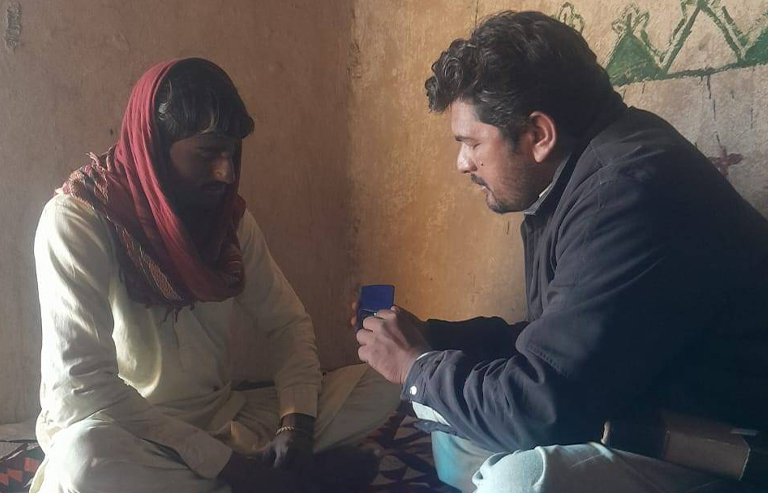
“Peace be with you in the name of our Lord and Savior, Jesus Christ. My name is Naseer and my wife Catherine and I are uneducated and were unable to read the Bible, which made our faith weak and our home lack spiritual peace. We met a Biglife trainer who shared the Gospel with us and gave our family an audio Bible. This became a turning point in our lives. When we started listening to the Word of God in our own language, our hearts were deeply touched, and we began to understand the Holy Scriptures. God’s Word began to transform our home, replacing fear and hopelessness with faith, peace, and joy. We are truly thankful to follow the Lord Jesus Christ now.”
Access to the Gospel in South Asia
Two year church planting program completed across South Asia.
This quarter, Christ in Asia concluded year two of a program to train 440 church planting coordinators across four unreached countries in South Asia. This quarter, through 40 Disciple-Making Movement (iDMM) groups, leaders in 6 unreached locations were equipped in obedience-based disciple making. These efforts resulted in 810 active Discovery Bible Study (DBS) groups, 825 house churches formed and 2,699 baptisms.

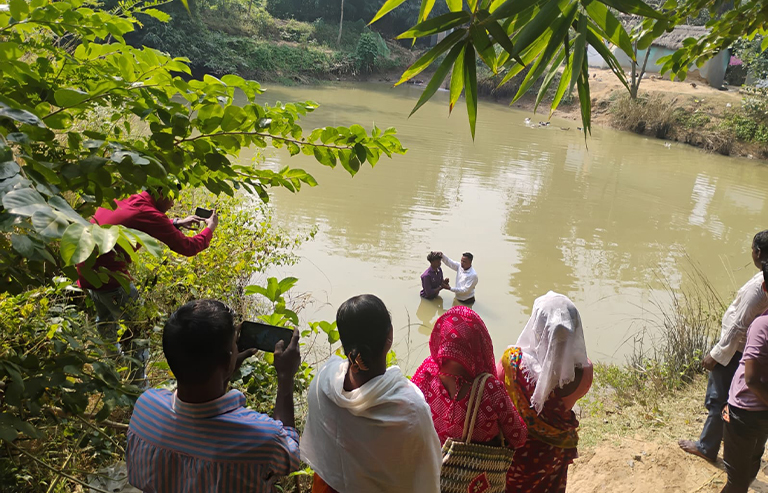
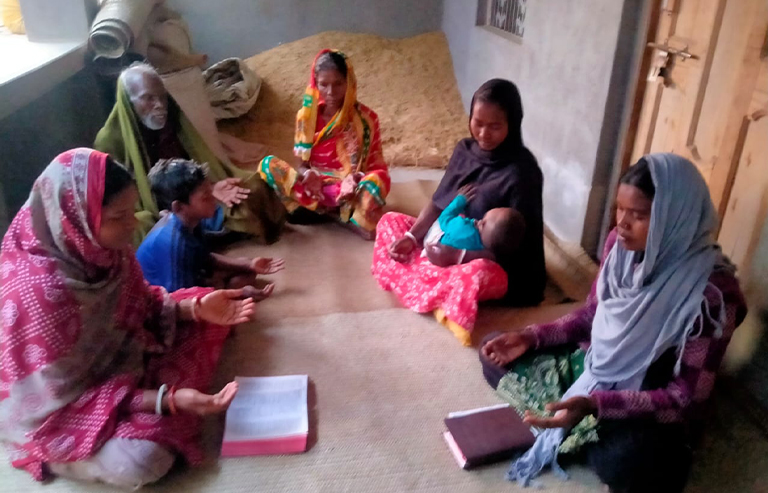
This quarter, a small tea-stall owner began attending a Discovery Bible Study (DBS) through a DMM-trained local disciple. As he applied Scripture in daily life, his family and customers showed interest, leading to a Discovery Bible Study starting at the tea stall after business hours. Within weeks, two new DBS groups emerged among neighboring shopkeepers. He is now being coached as a facilitator, and the groups are practicing obedience-based discipleship, showing early signs of multiplication.
Access to Economic & Health Training Across Africa
Communities improving despite insecurity in DRC
This quarter, FARM STEW delivered integrated training in farming, nutrition, sanitation, water, and financial literacy across Burkina Faso, South Sudan, Uganda, Chad, Burundi, and Ethiopia, reaching thousands of households. In Burkina Faso, 2,450 households across 38 communities were trained, resulting in 1,225 certified homes, nine certified communities, and 34 VSLAs formed, with soybean seeds distributed to five cooperatives (≈250 producers). In South Sudan, 1,600 beneficiaries across 32 communities were trained, with 700 homes being certified and seven communities. In Uganda, 46 communities established 1,835 kitchen gardens, received 3,037 trees, built 1,000 tippy taps, drilled three boreholes, equipped 40 VSLAs, and certified 1,116 households and 10 communities. In Chad, FARM STEW trained an average of 1,862 households per month across 42 communities, establishing 381 household gardens and 19 community gardens, while Burundi reached over 3,200 households with improved farming and sanitation practices. In Ethiopia, 384 households across seven communities were trained and 113 homes certified, while work in the DRC remains delayed due to insecurity, with partner engagement ongoing and launch planned for April 2026.
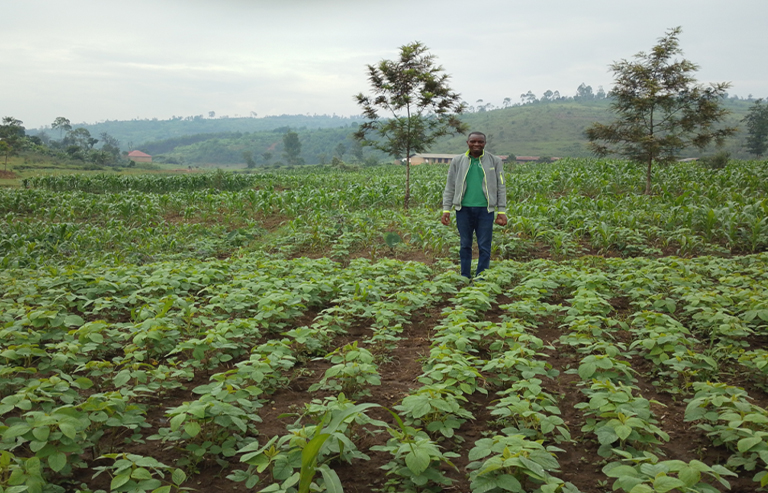
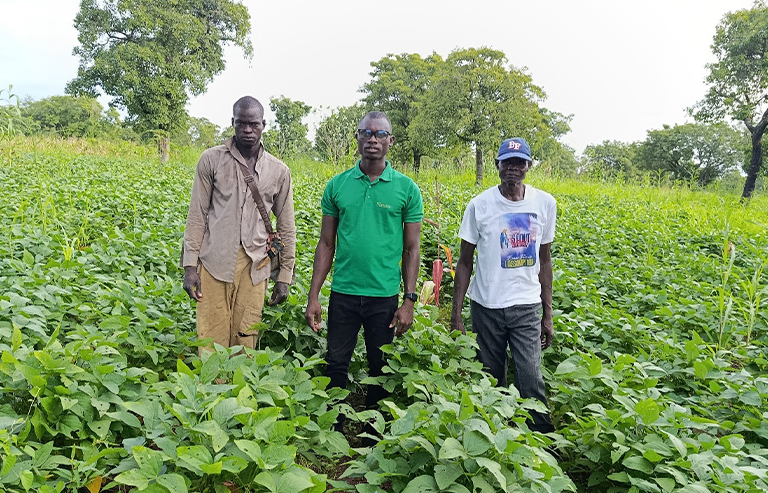
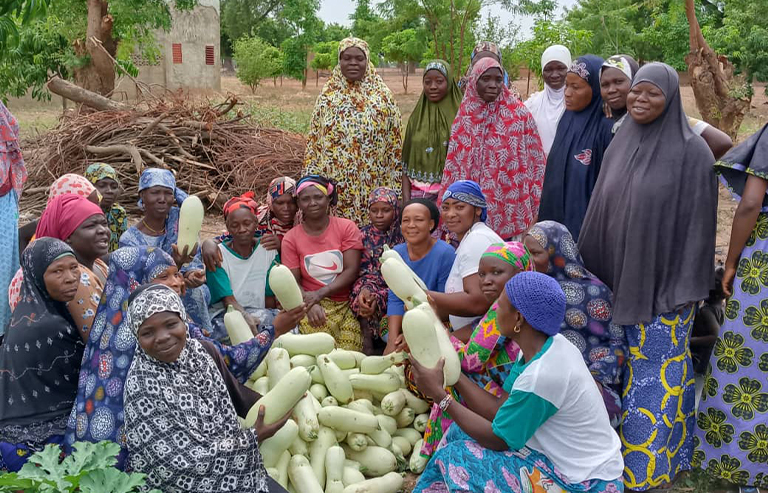
Women in Burkina Faso typically cannot own land, and this meant a group of unemployed women in the village of Lergho faced challenges—until you sent FARM STEW trainers to bring independence and give dignity. A local man was inspired by FARM STEW and its message of freeing women from dependency. He gave them a piece of his land, where the women could apply what they learned to grow vegetables. Sixty-five women began growing a variety of vegetables and squash in the community garden, and they grew a lot of it! Then, they used what they learned from the FARM STEW enterprise lessons, working together through their new Village Savings and Loan Association (VSLA) to market and sell the squash. Soon, each woman was working hard and earning an income for her family. For the first time ever, these women are able to meet their daily needs and save money.
Access to Education and Healthcare in Uganda
Musana’s social enterprises continue service, construction and outreach.
This quarter, Musana’s schools and hospitals continued implementing key activities across their communities, with 926 students successfully sitting for national exams. Musana also engaged over 3,000 parents about quality education, while four scholarship program beneficiaries celebrated their graduation.

Musana conducted 28 life skills sessions for 3,485 students and provided counseling to 3,273 students, supporting their personal and academic growth. A standout impact was their community health outreach, which reached 12,208 people, demonstrating how Musana’s profitable enterprises directly serve and strengthen the wider community.

This quarter marked a transformative milestone with the completion and formal handover of Musana Vocational High School in Kamuli, a state-of-the-art campus set to be a beacon of hope for over 1,000 high school students and future leaders of Uganda. The quarter also celebrated the graduation of our scholarship students, whose achievements showcase the life-changing power of opportunity and preparation.
Access to Safe Water and the Gospel in The Sahel
Safe and living water brought to the Sahel of Africa.
This quarter, Neverthirst worked across two regions in the Sahel through clean water and sanitation trainings that directly impacted 15,034 people. Their local partner constructed 1,963 new or improved latrines and led 11 villages to being declared open-defecation free. Community engagement efforts, including 20 sanitation sessions, village visits, and showings of the Jesus Film, opened doors for gospel witness. Additionally, six new ministry leaders were trained, four new seeker groups began with 104 participants, and film and evangelism campaigns reached over 4,000 people, resulting in 28 individuals committing their lives to Christ. These efforts strengthened community trust and enabled local churches to serve more effectively.
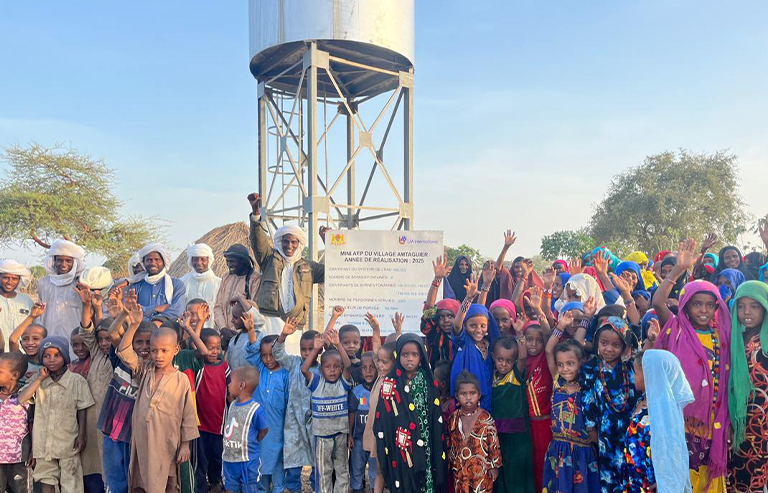
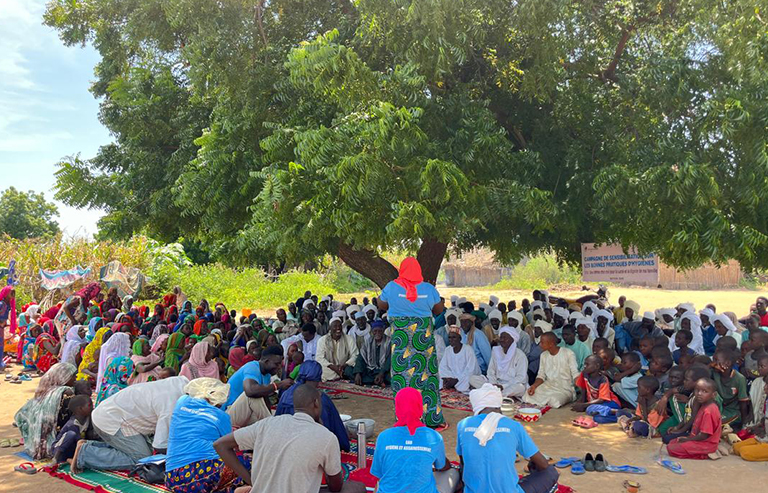

In several communities, local evangelists were recently able to move into the villages themselves. This is an uncommon opportunity in areas where outsiders are often met with suspicion; however, they were welcomed because they came alongside the water project. One of those evangelists is "KJ", a father of eleven, who relocated with his family and committed to building long-term relationships through service. Soon after arriving, KJ’s wife, a trained midwife, was called to assist with a difficult childbirth for a neighboring family, an all-day intervention that ended safely by God’s grace. Their ongoing presence, combined with hygiene education and basic health care, has built trust and created growing openness to the gospel within the village. Please pray for KJ and his family, that the Lord would strengthen and encourage them as they are welcomed in, deepen relationships, and faithfully share Christ’s love through both word and deed.
Access to the Gospel in South Asia
3,237 new churches planted and 28,387 disciples made across South Asia.
This quarter, New Generations’ local partner held 190 training events across 14 states where 2,270 believers were trained to be church planters, coordinators or movement leaders through their ongoing Disciple Making and Church Planting training. As a result of their training across their entire network, they saw 3,237 new house churches planted with 28,387 new disciples and 4,432 baptisms this quarter alone. While a majority of these churches were planted in Hindu or Animistic communities, 163 were planted in Islamic communities, 82 in Buddhist and 493 in Sikh communities where there was little to no Christian or church presence.
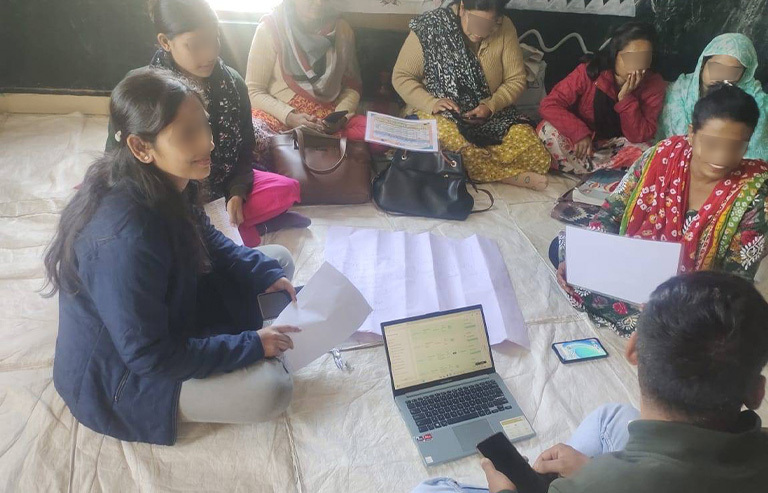
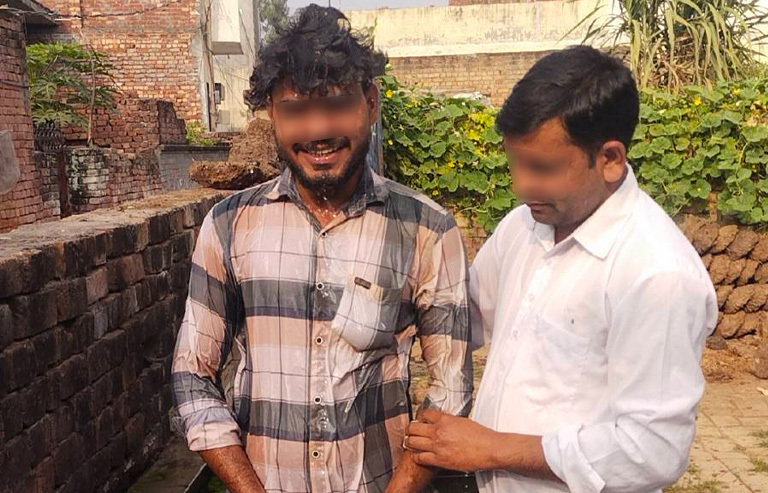
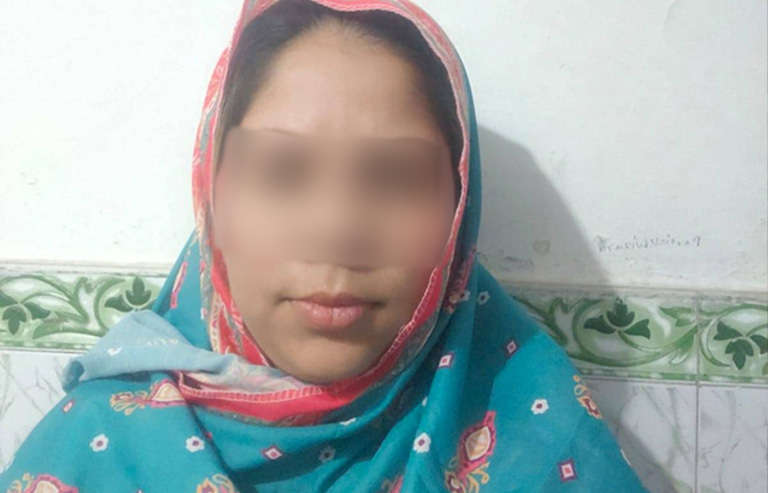
Shabi (name changed) is a church planting coordinator who leads a Discovery Bible Study in a majority Muslim community in a closed South Asian country. Her work has transformed lives, addressing issues like addiction and conflict, and fostering peaceful, cleaner communities with increased women's participation. The spiritual transformation has led to tangible physical improvements in people's lives. As a result, Shabi and her cohort of church planting coordinators have helped start 233 Discovery Groups and make about 950 new disciples across 10 districts in two states.
Access to Savings and Loans Groups Across Africa
Savings groups drive economic progress across Burundi, DRC, Ethiopia, and Tanzania.
This quarter, Plant With Purpose's savings groups made strong progress across Burundi, the DRC, Ethiopia, and Tanzania through tree nursery development, impact evaluation, and women’s economic empowerment. Ethiopia’s team completed 512 household surveys measuring long-term program effectiveness, while Tanzania’s team trained 420 women in leadership and climate advocacy. Security challenges and weather variability limited tree planting to 43% of targets in some regions. Still, stories like Belachew’s—who achieved financial independence through sustainable agriculture—highlight the program’s lasting impact.
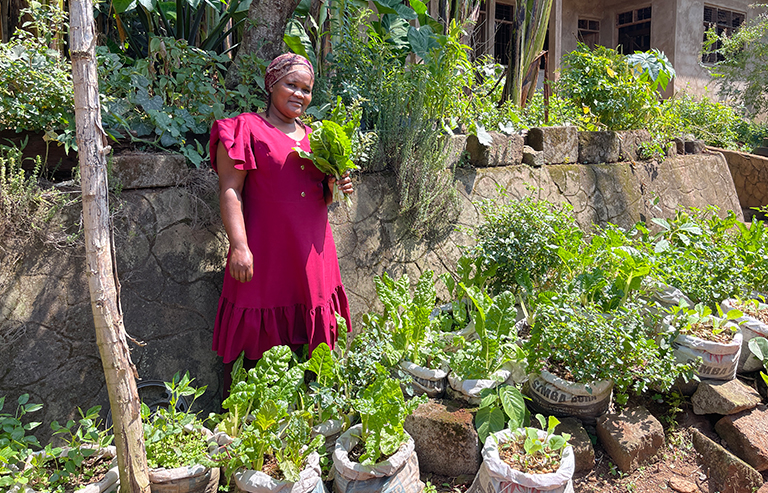
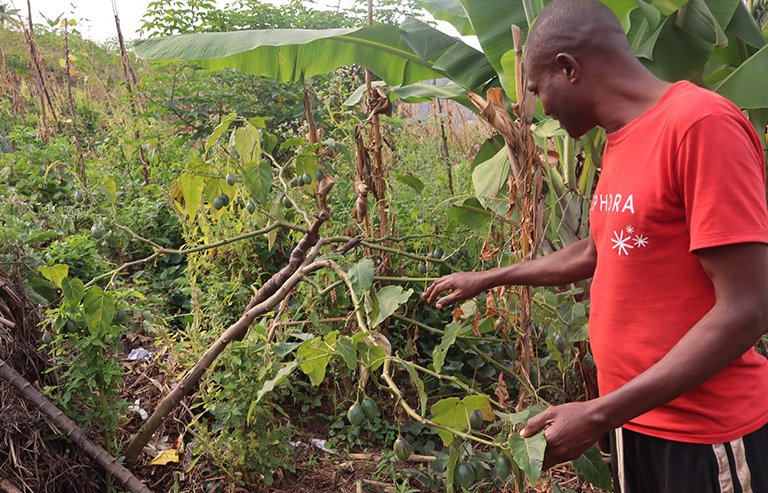

At 22, Belachew from Gota, Ethiopia, was facing an uncertain future. Though he had completed his schooling, opportunities were scarce. “I lived with my elderly parents,” he recalls. “There was no stable income, and life felt uncertain.” Everything changed when he joined a Purpose Group supported by Plant With Purpose. “It became the foundation for my empowerment,” he says. Through financial and agricultural training, Belachew learned modern, sustainable methods like soil conservation, irrigation, and agroforestry, and began applying them immediately. “I planted vegetables and trees around my homestead,” he says. “Now they are growing well.” Access to irrigation transformed his productivity. “Before, we depended only on rain,” he explains. “Now we can grow twice a year and earn more income.” With his profits, Belachew invested in sheep and shared ownership of oxen with his group, improving his family’s food security. “I have achieved financial independence,” he says. “I no longer require loans or aid from neighbors.” His dream now is to expand his farm, start a family, and one day own a minibus to diversify his income.
Access to the Gospel in South & Southeast Asia
Training results in 115 new churches and 2,759 new believers in SE Asia.
This quarter, Project Twelve advanced church-multiplication momentum across South and Southeast Asia by equipping thousands of leaders. In South Asia, Project Twelve prepared to launch a new training batch of over 2,000 church planting trainers with the goal of training more than 40,000 church planters. In Southeast Asia, 322 church planting trainers trained 3,800 church planters, resulting in 115 new churches, 2,759 new believers, and 110 baptisms. Local churches are also actively caring for the vulnerable, serving 34 orphans and 38 widows. Testimonies like Raju’s healing and conversion demonstrate the power of relational discipleship and prayer.


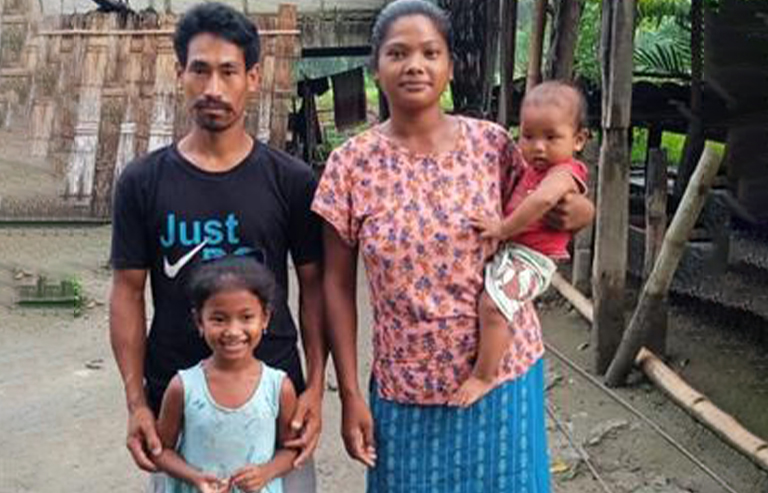
Abdul faithfully shared the Gospel with Raju, speaking of Jesus’ compassion and telling stories from Scripture of how Christ healed the sick. As Raju listened, he was deeply moved and felt a growing sense of hope that stirred his curiosity about Jesus. Abdul continued to visit regularly, praying with Raju and encouraging him in his journey. Within just fifteen days, Raju was completely healed, a powerful testimony to God’s work in his life. This encounter led both Raju and his wife to surrender their lives to Christ, be baptized, and become active members of their local church. Today, Raju is growing in his faith and boldly sharing his story, pointing many others to Jesus.
Access to savings and loans in Uganda and South Sudan
Seed Effect started 505 new savings groups in 2025
This quarter, Seed Effect extended its partnership with Texans on Mission to establish 120 savings groups in Gulu District over the next two years. Seed Effect concluded 2025 with 505 new savings groups launched, reaching 14,237 members. Additionally, they finalized a plan to digitize Seed Effect’s data collection, which they have already begun work on in early 2026, and includes new surveys to enhance our ability to analyze program impact.
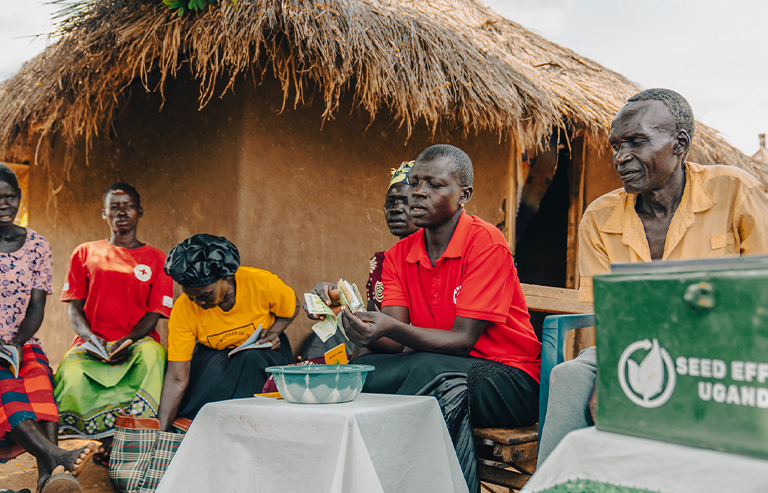
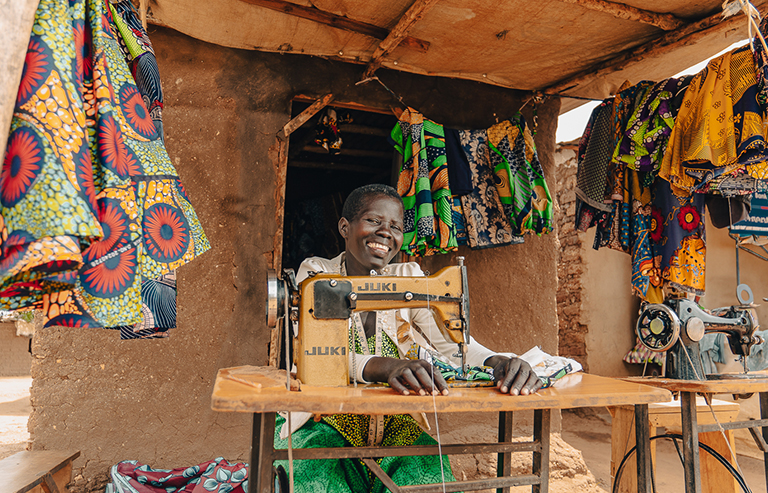
When Betty Juan arrived in Uganda as a refugee from South Sudan, she was responsible for six dependents and struggling to meet even the most basic needs. That trajectory shifted when she joined a Seed Effect savings group, gaining access to financial training and savings. In her first savings cycle alone, Betty saved 570,000 UGX (~$150 USD) and leveraged group loans to expand her tailoring and mandazi businesses. A pivotal 500,000 UGX (~$131.58 USD) loan enabled her to purchase a sewing machine, an investment that not only increased household income and enabled her to pay school fees, but also positioned her as a community trainer. To date, four young women have learned tailoring skills under Betty’s mentorship, with flexible payment plans making training accessible. Today, Betty owns two sewing machines, has diversified income through six chickens, provides consistent, nutritious meals for her family, and participates in a weekly Bible study that has strengthened her faith and leadership.
Access to Safe Water and the Gospel in CAR
39 new water systems deliver safe water to 24,000 more people this quarter.
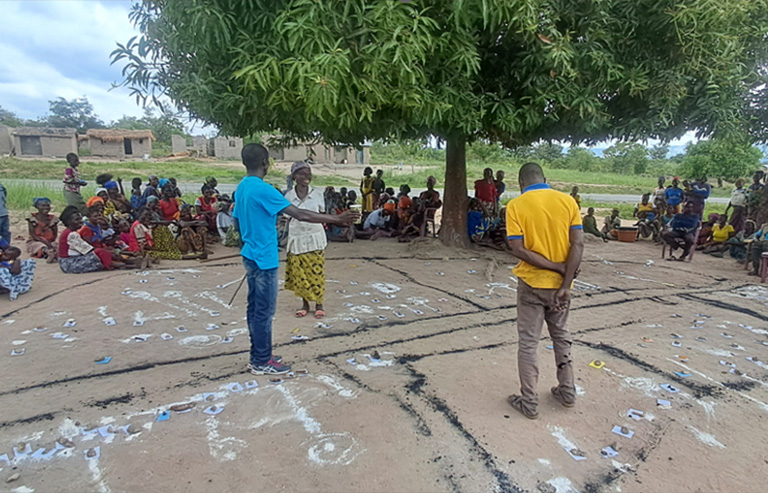
This quarter, Water for Good completed 33 handpump water points serving 13,159 people, and 6 pipe systems with 29 tapstands serving 10,943 people. The teams also performed maintenance visits, reaching 227 unique handpumps, and 46 pipe systems.They also completed staff restructuring in the Central African Republic with a focus on making their work more cost effective so they can serve more people. They registered 150 Healthy Homes in the pilot of the Vision of a Healthy Village (VHV) model, and trained 16 teachers and 13 health workers in WASH. This VHV pilot represents a key step in their long-term strategy to scale access to safe water in region 2—where access has already quadrupled over the past four years.

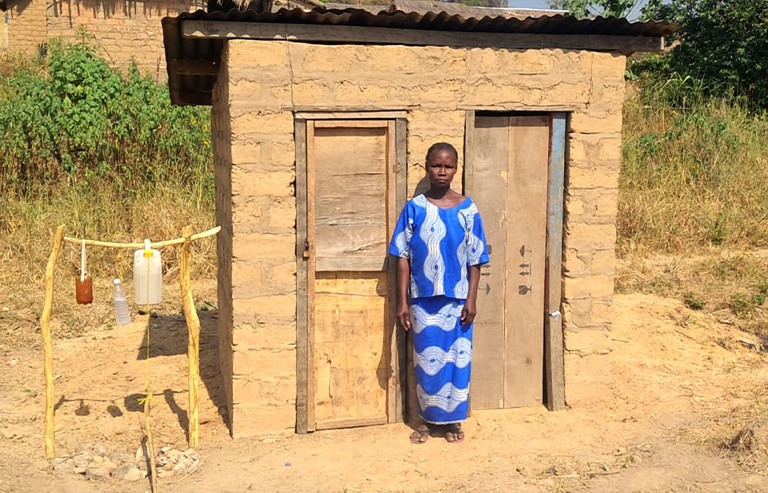
For Christina Henary, a 26-year-old mother of three in Befio, daily life once meant walking long distances for unsafe water and practicing open defecation. “We did not know about hygiene before,” she said. “Diseases were common, and it was hard for our children.” Everything changed when Water for Good launched its WASH program in her village. Through repeated community education and hands-on support, Christina’s household built a safely managed latrine, installed handwashing stations, created a drying rack, and began storing safe water in protected containers. “Now we wash our hands, our children are healthier, and we no longer get waterborne diseases,” Christina shared added, “If this water was not close to our home, I would still walk two hours to collect water. This has saved my strength and protected my family.” Christina’s story reflects how Water for Good builds healthy homes, restoring dignity, and transforming entire communities.
Financials
We help make your generosity count.
Let’s end global poverty, together.
