See the impact you made this year.
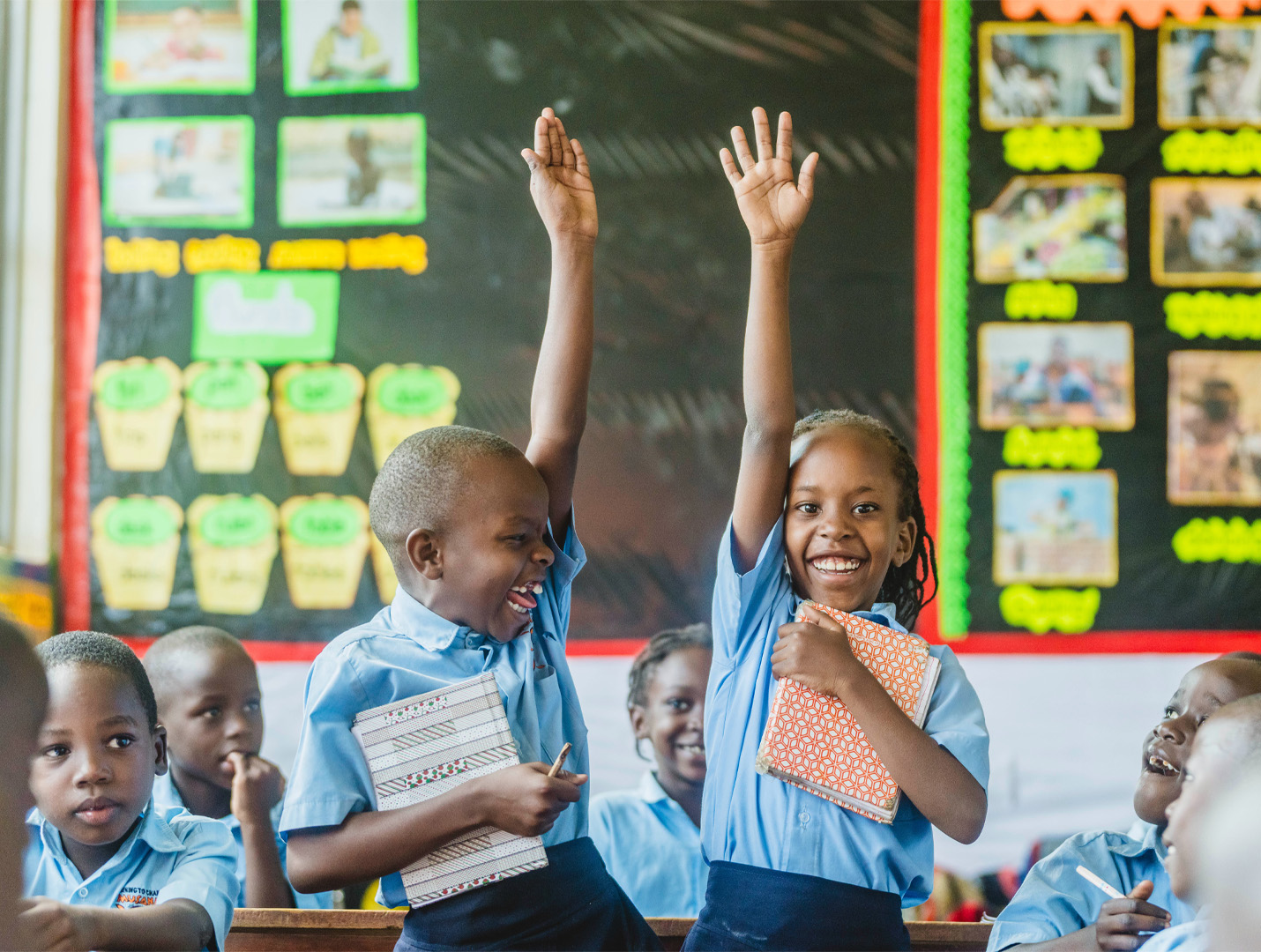


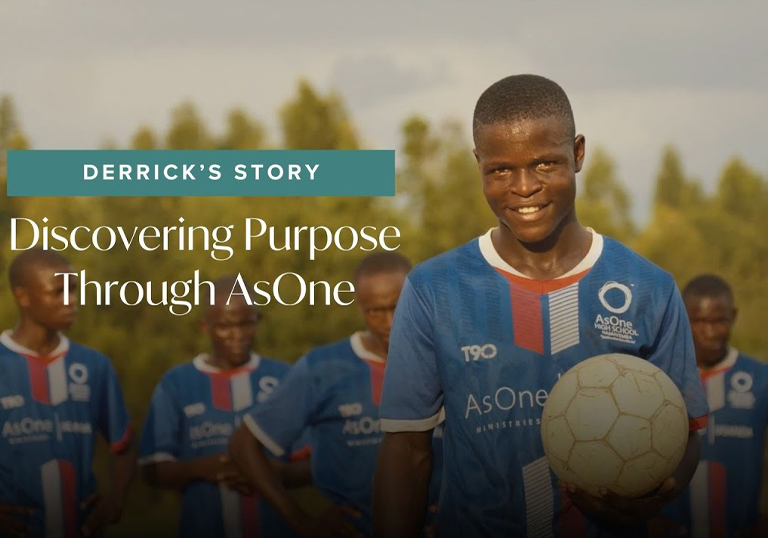
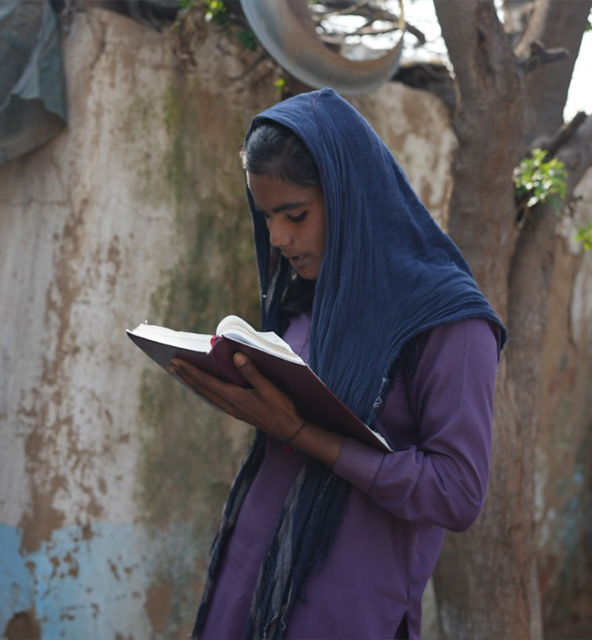
You helped Derrick access better education.
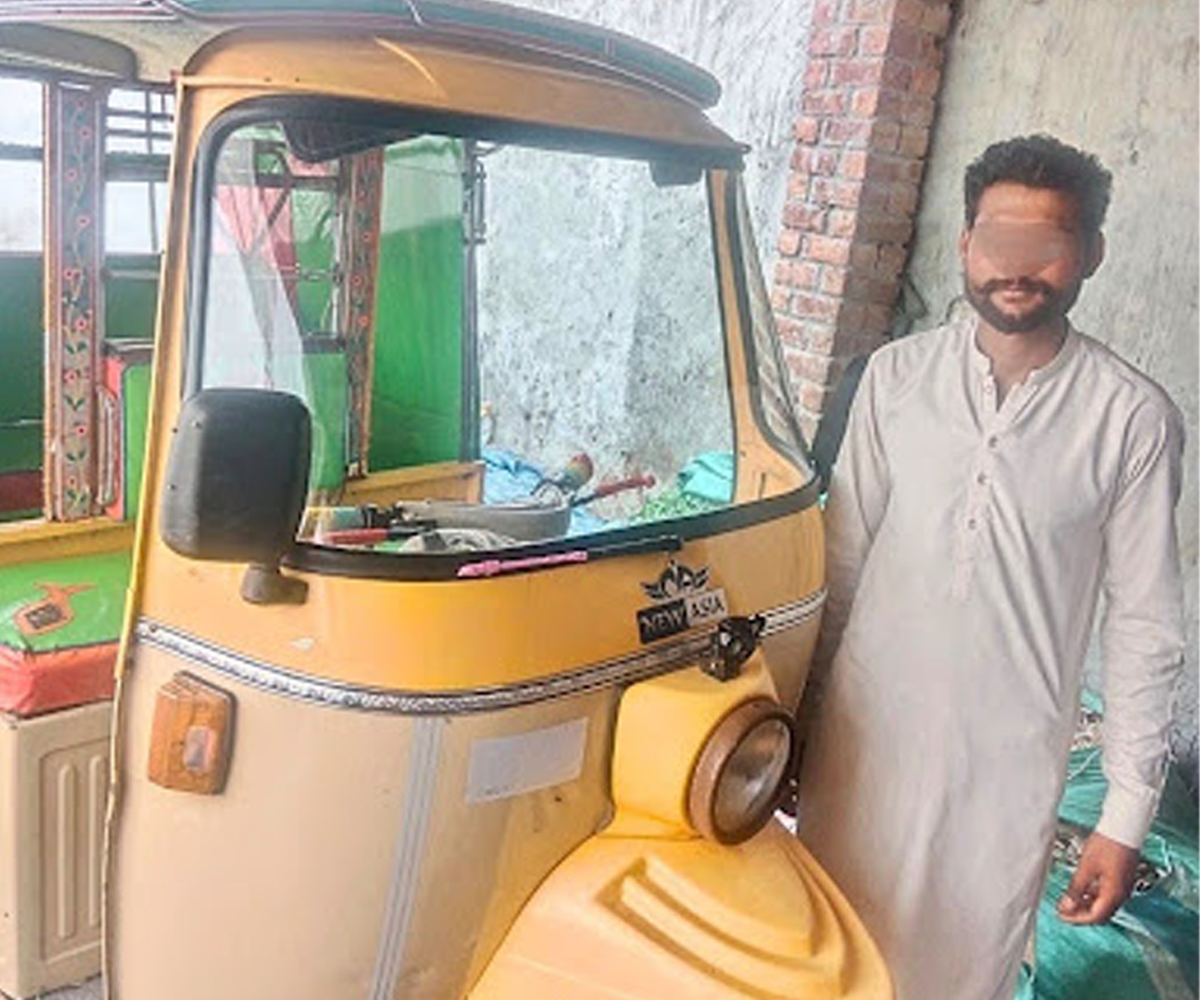
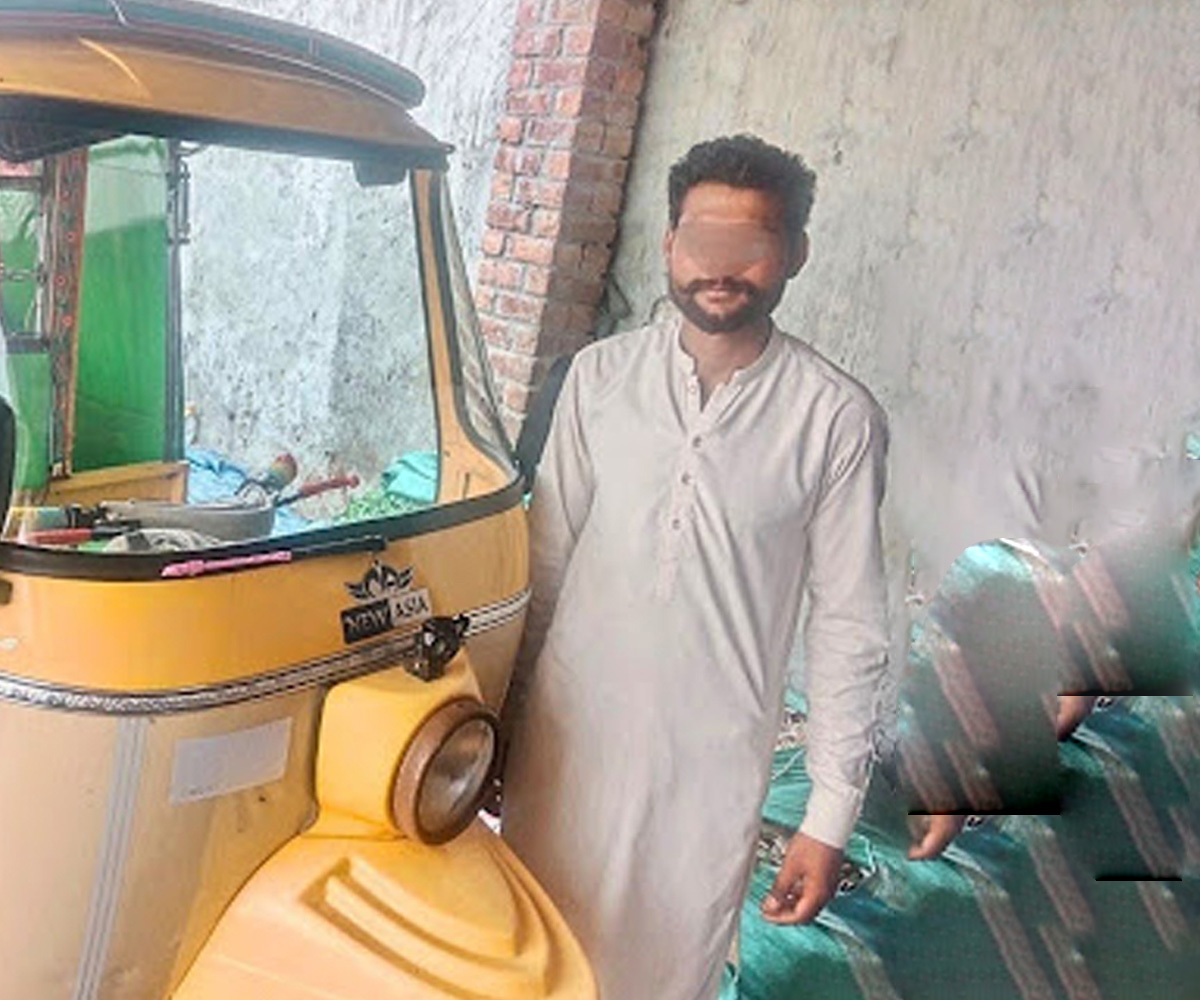
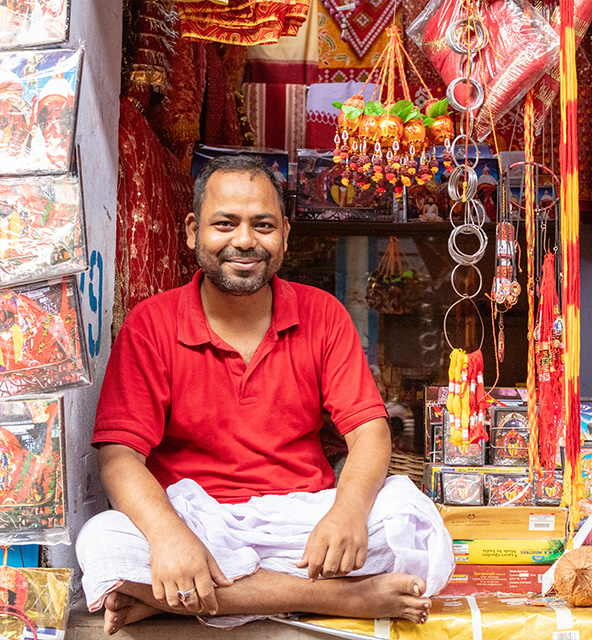
And freed unreached families like Ahmed’s.

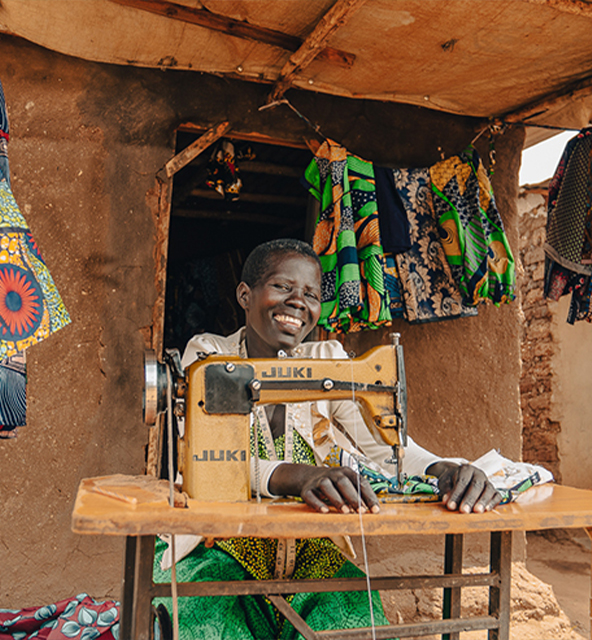
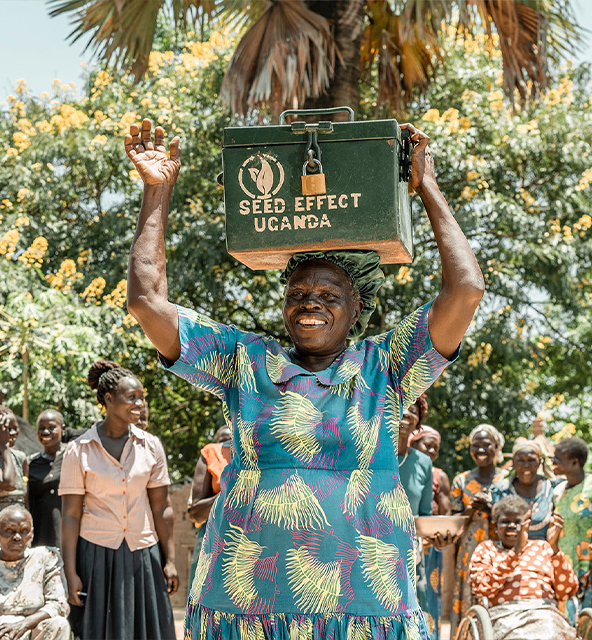

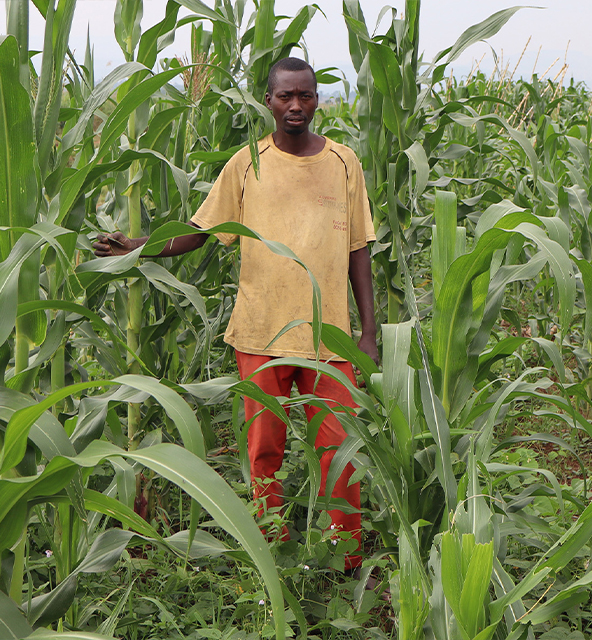


Here was your 2025 portfolio.
Click into each program to see how your donations were used and the impact you made.
granted in 2025
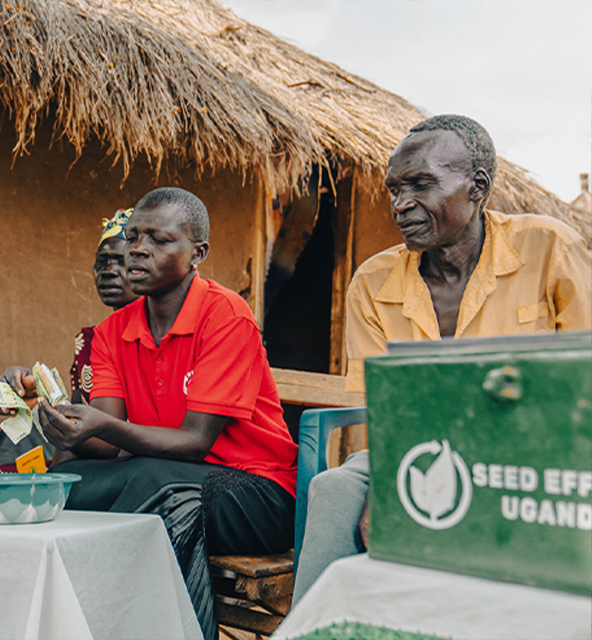
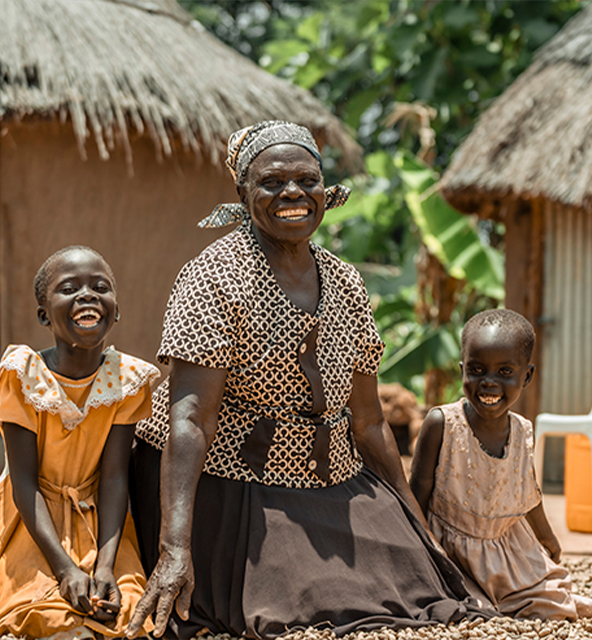
In 2025, Seed Effect spent $2,270,566 to help their 117 local team members serve 42,857 members of 1,784 active Christ-centered savings groups in Norther Uganda, as well as help 14,237 more people experiencing extreme poverty gain access to 505 newly formed savings groups. Across all groups and cycles, members maintained an average 30% annual return on savings. Annual baseline-to-endline comparisons show a 67% average reduction in extreme poverty indicators, including declines in asset preservation vulnerability (–74%), severe nutrition vulnerability (–81%), lack of livestock owned (–64%), income instability (–47%), and homes without a light source (–68%). At the same time, members experienced an 85% increase in strong asset preservation capacity, a 109% increase in households owning more than 10 livestock, a 49% increase in households eating three meals per day, and a 65% increase in homes using solar lighting or better.
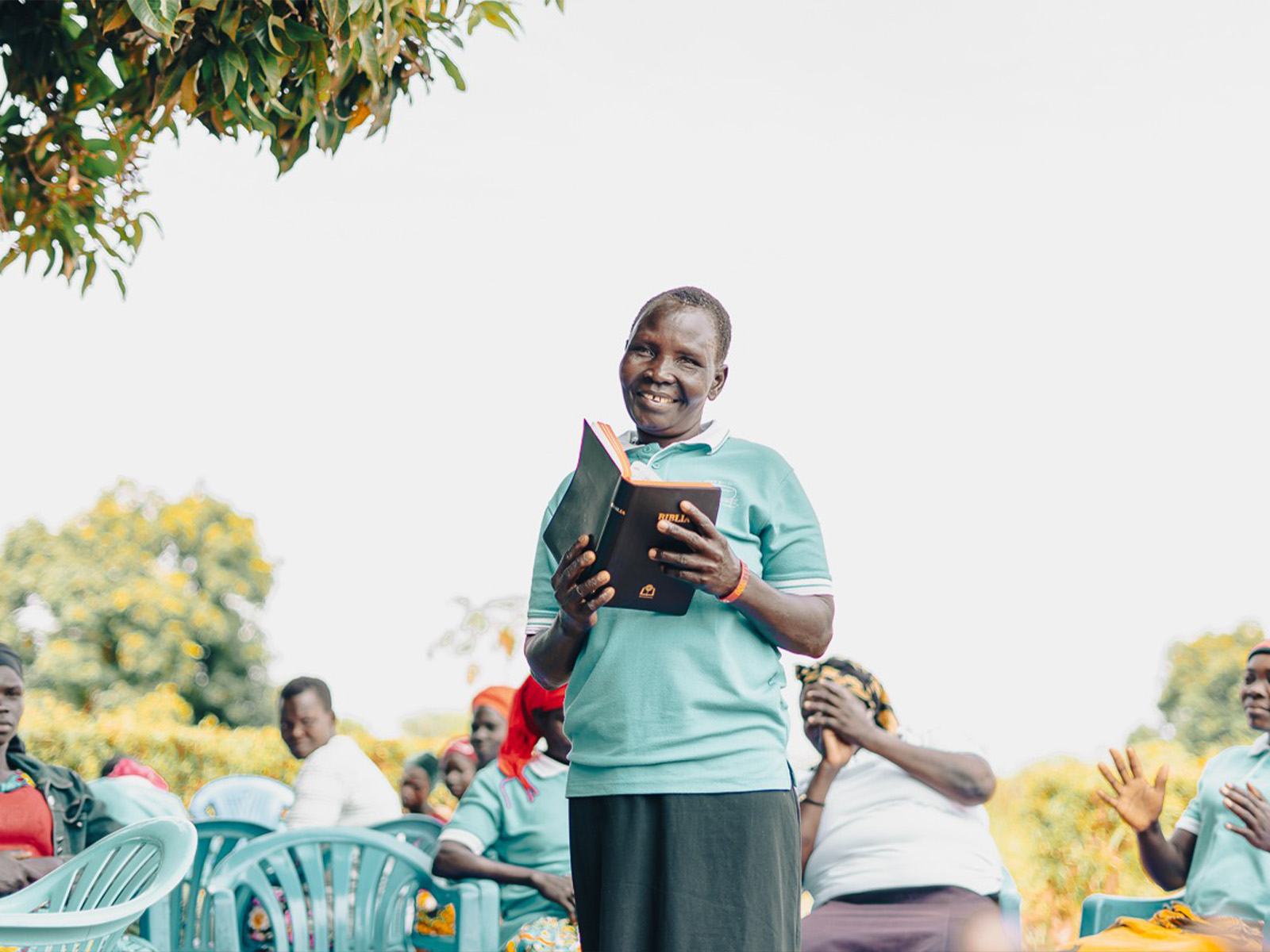

Hear Betty’s story in this video.
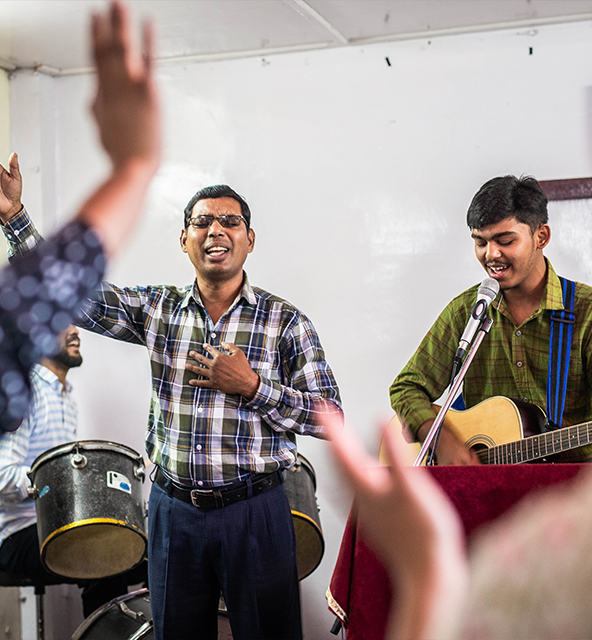
In 2025, Biglife spent $892,398 to help their 701 ministry workers gain access to unreached communities in the Middle East through humanitarian care in order to make new disciples and plant churches among the unreached. Last year, Biglife's team distributed 15,719 emergency food bags and 6,894 winter jackets to 21,182 people. Their mobile medical camps treated 17,970 patients. Through 240 water filters and 16 hand-operated water pumps, they helped 4,370 people gain better access to safe drinking water. 19 new after-school programs were established serving 382 new students. This trusted access allowed them to "train" 141,490 people through 6,427 discipleship trainings. They showed the Jesus Film 414 times to 17,884 people and distributed 38,000 Bibles. As a result, 9,622 new disciples were baptized and 3,725 new house fellowships were started in highly unreached and hostile communities. Biglife's team trained and commissioned 151 new regional disciple-making-movement leaders with 70 already financially self-sufficient.

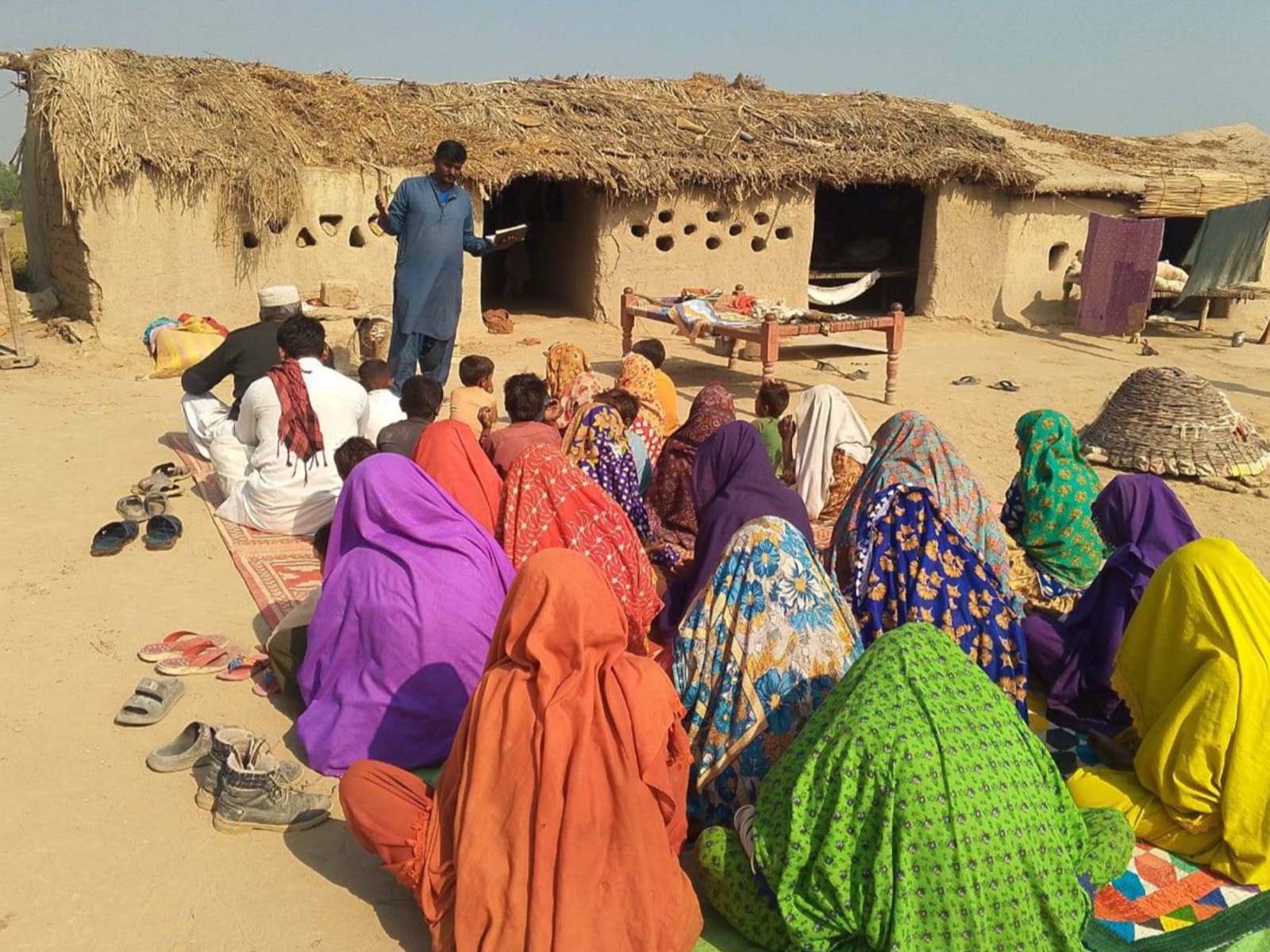
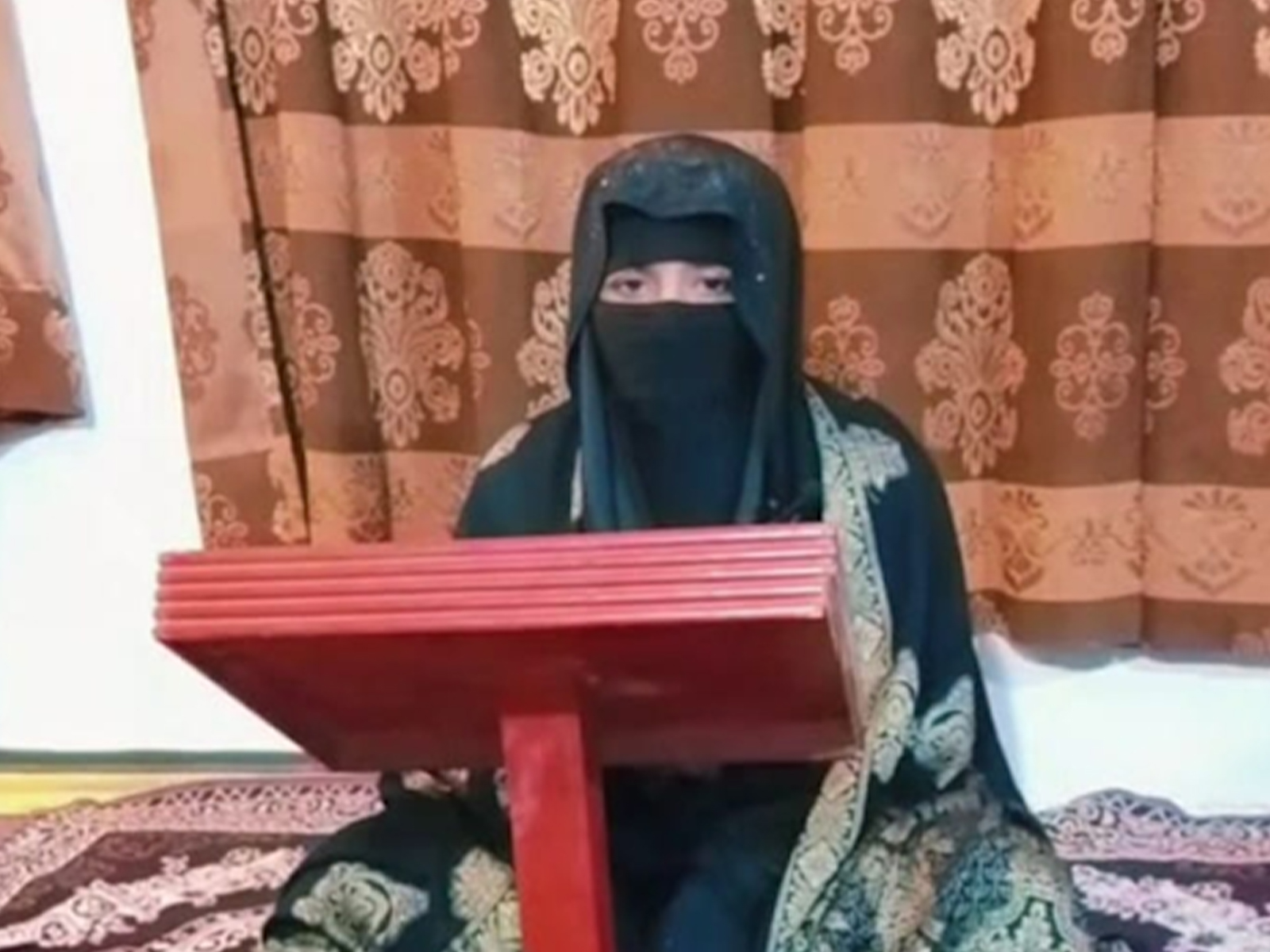
“I belonged to a Muslim family and community. I once memorized the entire Quran. However, when my family wasn’t experiencing peace or freedom from Islam and the teachings of Muhammad, I went to a member of Biglife’s team who I heard was a Christian and whose prayers were powerful. He shared the truth of Jesus with me and prayed for my family. Immediately, I felt a spirit of peace. I went home and shared what I heard with my younger sister who too felt the evil of Islam. I prayed for her in Jesus’ name and she felt His peace too! The next day, the Biglife team member came to our home, gave us a Bible, and taught us how to read it with others. We said that we believed. After that, we started reading the Bible and singing worship songs in our home every day. I also shared this Good News with my family, and many people started believing in Jesus as God. Now I serve Jesus and lead a small weekly fellowship in our house. Because of this, my husband divorced me. Now my daughter and I live with my parents, but our faith is still strong. Now, my whole family believes that Jesus Christ is our personal Savior, yet many people in our extended family have become against us.”
In 2025, New Generations' local partner spent $197,036 on the Engagement to Movement program across 15 states in South Asia. Their team trained 2,270 leaders through 190 training events on disciple making and church planting movement methods, such as evangelism, starting Bible studies and nonformal theological training on Bible study methods and church planting. They also trained leaders on Business for Movement (B4M) methods for financial self-sustainability of ministry and women’s empowerment trainings. As a result, 12,453 new house churches were planted with 60,513 new disciples in previously unreached and unchurched communities.


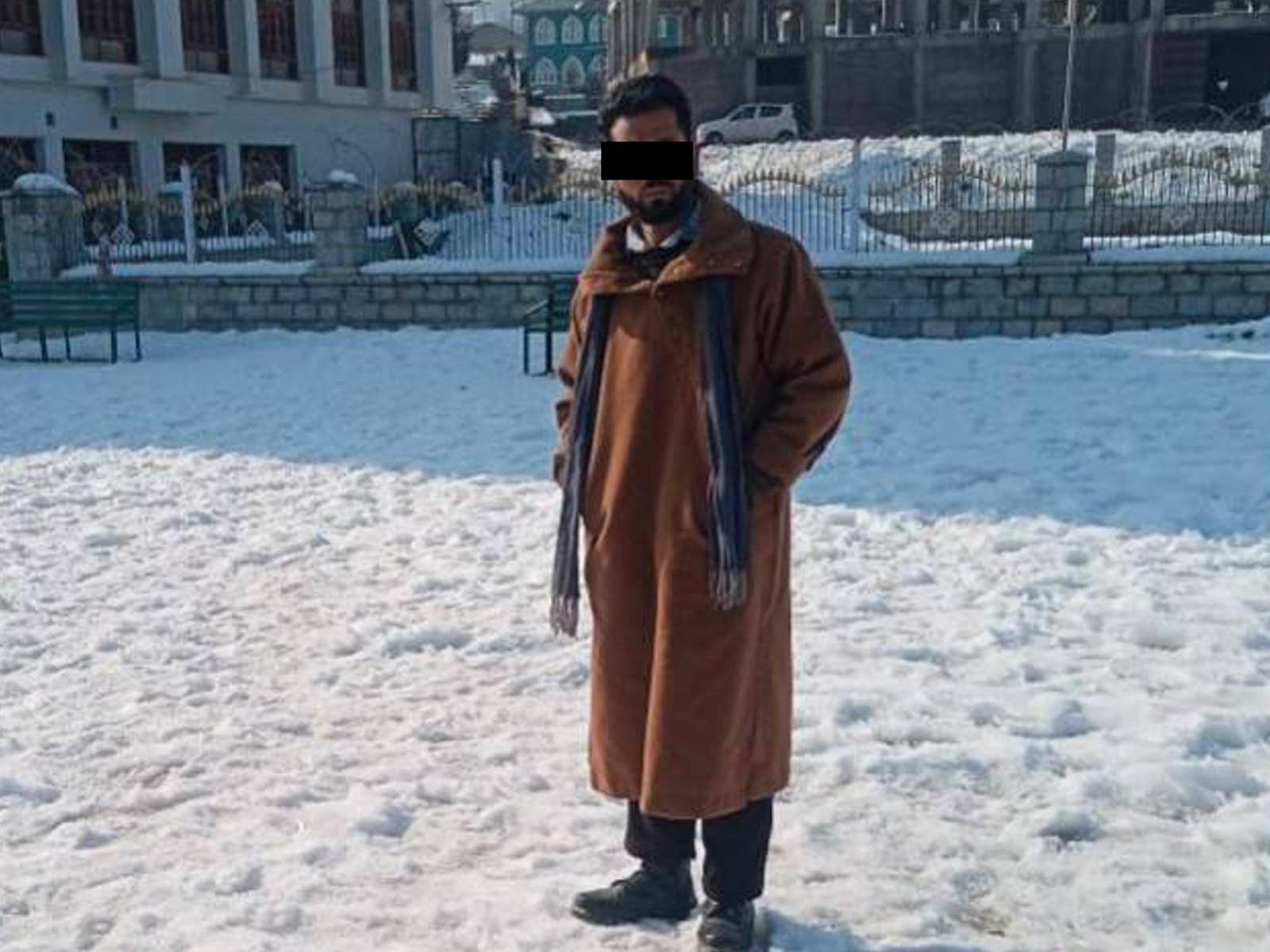
My name is Hasan, and I have been helping people learn about God and the teachings of Hazrat Isa (Jesus) in ways that transform lives. For the past seven months, I have been working to make new disciples who lead Bible studies in a city that remains cut off from the rest of the country for six months each year. During this time, small Discovery Bible Study (DBS) groups have formed and people have been learning to follow Jesus. So far, 15 new churches have been established and about 60 people have chosen to follow Jesus so far, with around 30 baptisms taking place. This work is happening in a city of about 300,000 people where 95% of the population are Shia Muslims. In these gatherings, people study the Bible and compare it with the Qur’an.
In 2025, Plant With Purpose spent $5,169,015 in Burundi, the Democratic Republic of the Congo, Ethiopia, and Tanzania to serve 2,757 active savings groups, form 346 new savings groups, deliver 48,570 regenerative agricultural training engagements and plant 4,489,000 trees across 31 watersheds for 65,614 families experiencing extreme poverty. As a result, these savings groups have accumulated $4,346,791 in total equity, and the average group member doubles their savings annually and achieves a 55% reduction in multidimensional poverty.
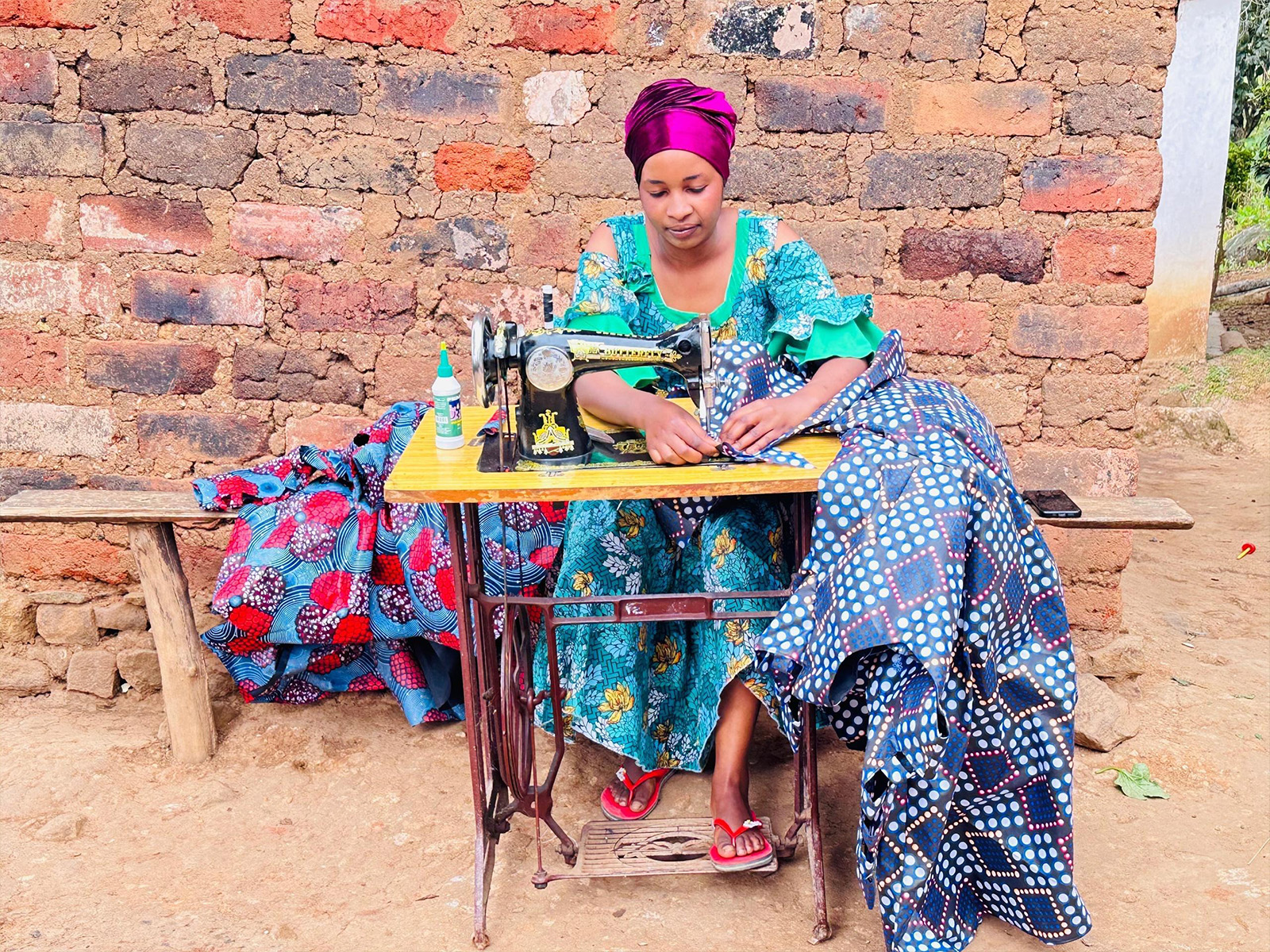
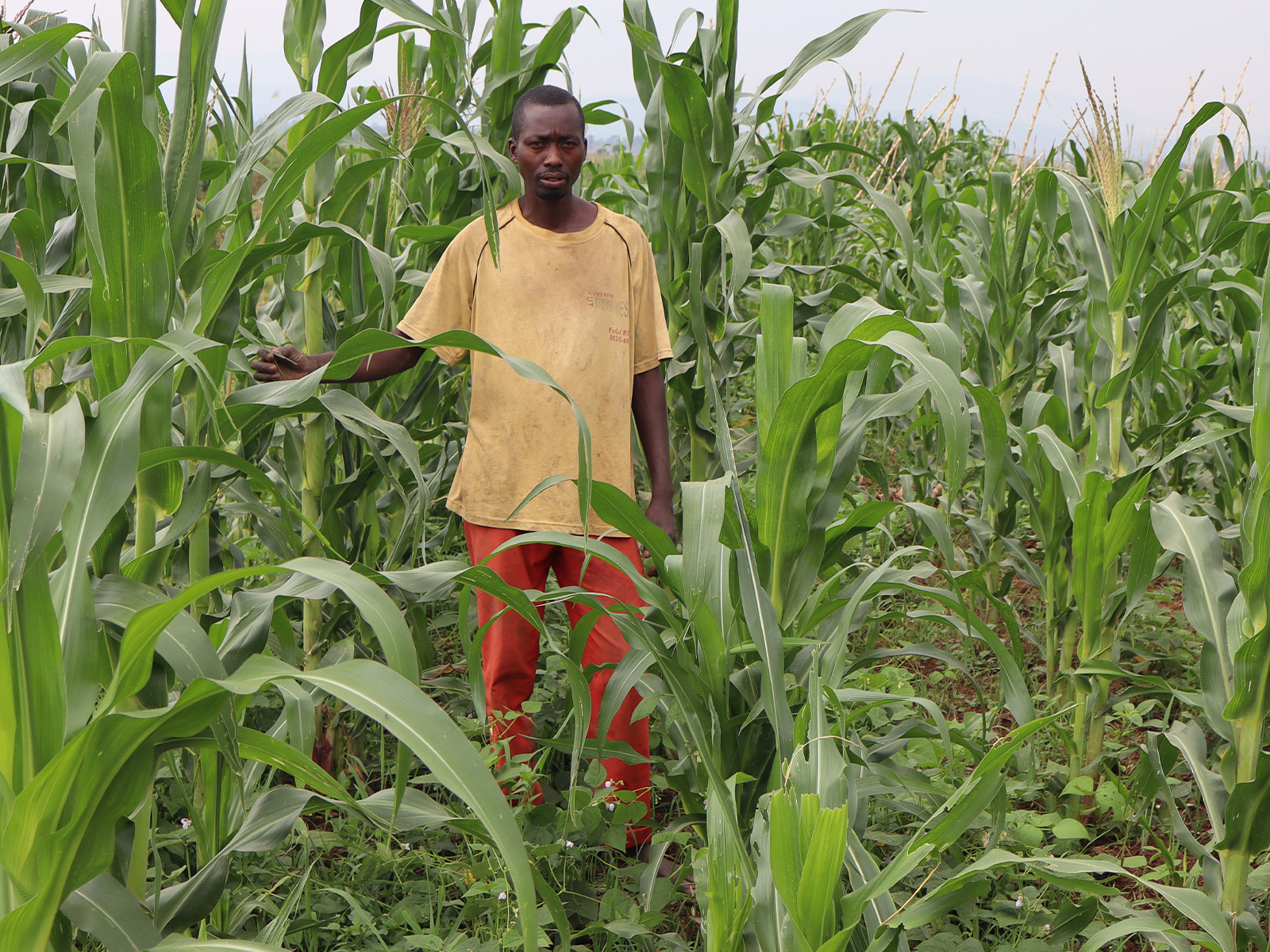
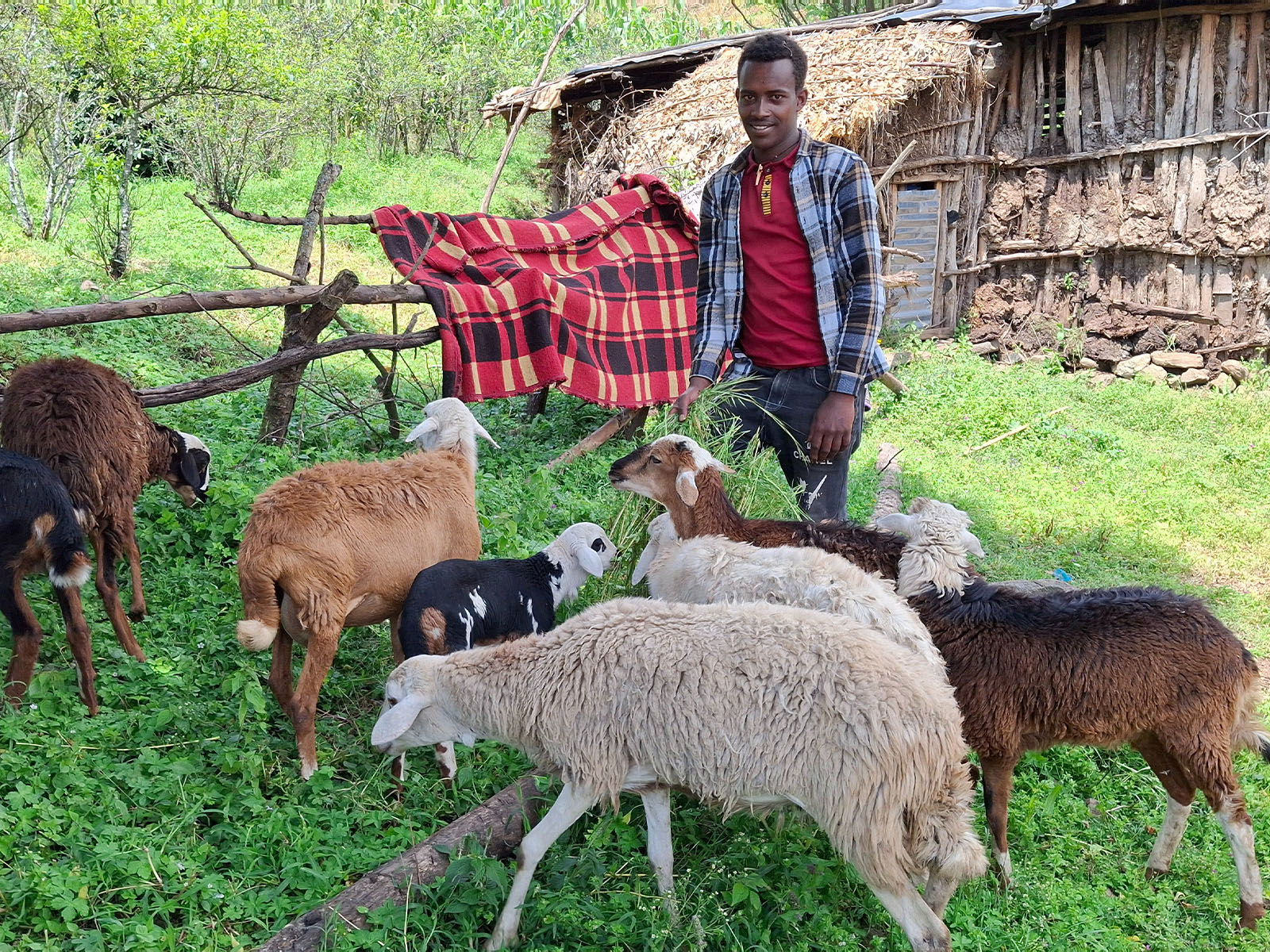
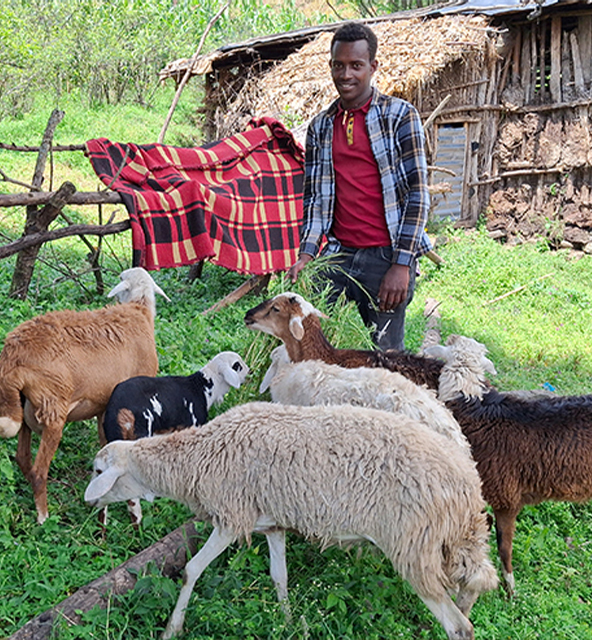
At 22, Belachew from Ethiopia was facing an uncertain future. Though he had completed his schooling, opportunities were scarce. “I lived with my elderly parents,” he recalls. “There was no stable income, and life felt uncertain.” Everything changed when he joined a Purpose Group supported by Plant With Purpose. Through financial and agricultural training, Belachew learned modern, sustainable methods like soil conservation, irrigation, and agroforestry. “I planted vegetables and trees around my homestead,” he says. “Now they are growing well. Before, we depended only on rain, now we can grow twice a year and earn more income.” With his profits, Belachew invested in sheep and shared ownership of oxen with his group, improving his family’s food security. “I have achieved financial independence,” he says. “I no longer require loans or aid from neighbors.” His dream now is to expand his farm, start a family, and one day own a minibus to diversify his income.
In 2025, Neverthirst granted $1,595,000 to their local partner to complete 80 new water points among unreached communities in Chad and Niger. They trained 50,802 people on improved sanitation and hygiene practices to reduce fatal diseases and empowered 32 pastors to facilitate the formation of 22 Bible discovery groups in the unreached communities around them. As a result, 32,645 unreached people in Chad and Niger gained access to safe drinking water this year, and existing water points maintained a 94% functionality rate through local water maintenance committees. 177 people from unreached people groups joined a local church as a result of the outreach and water access interventions by Neverthirst’s local partners.
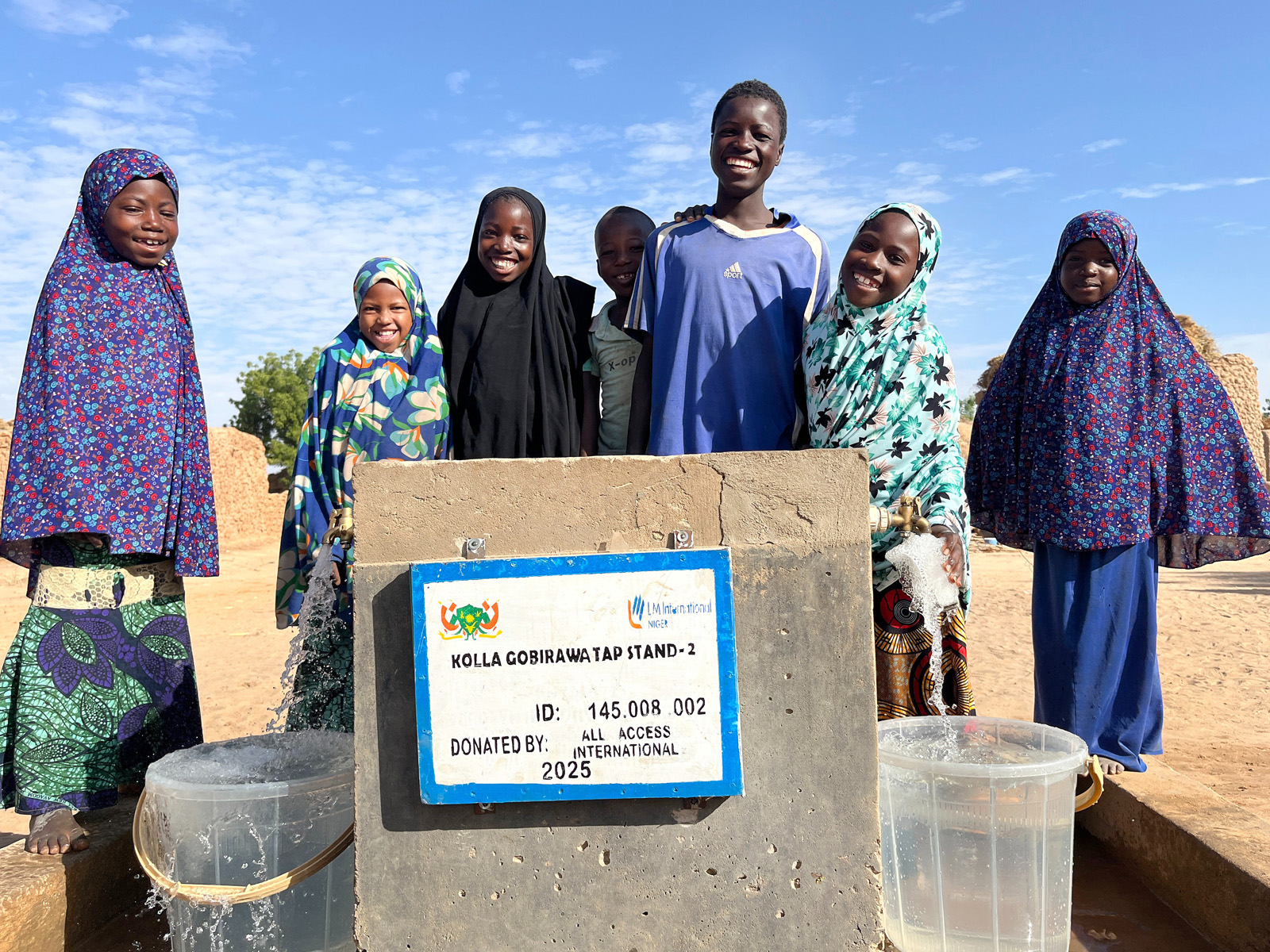
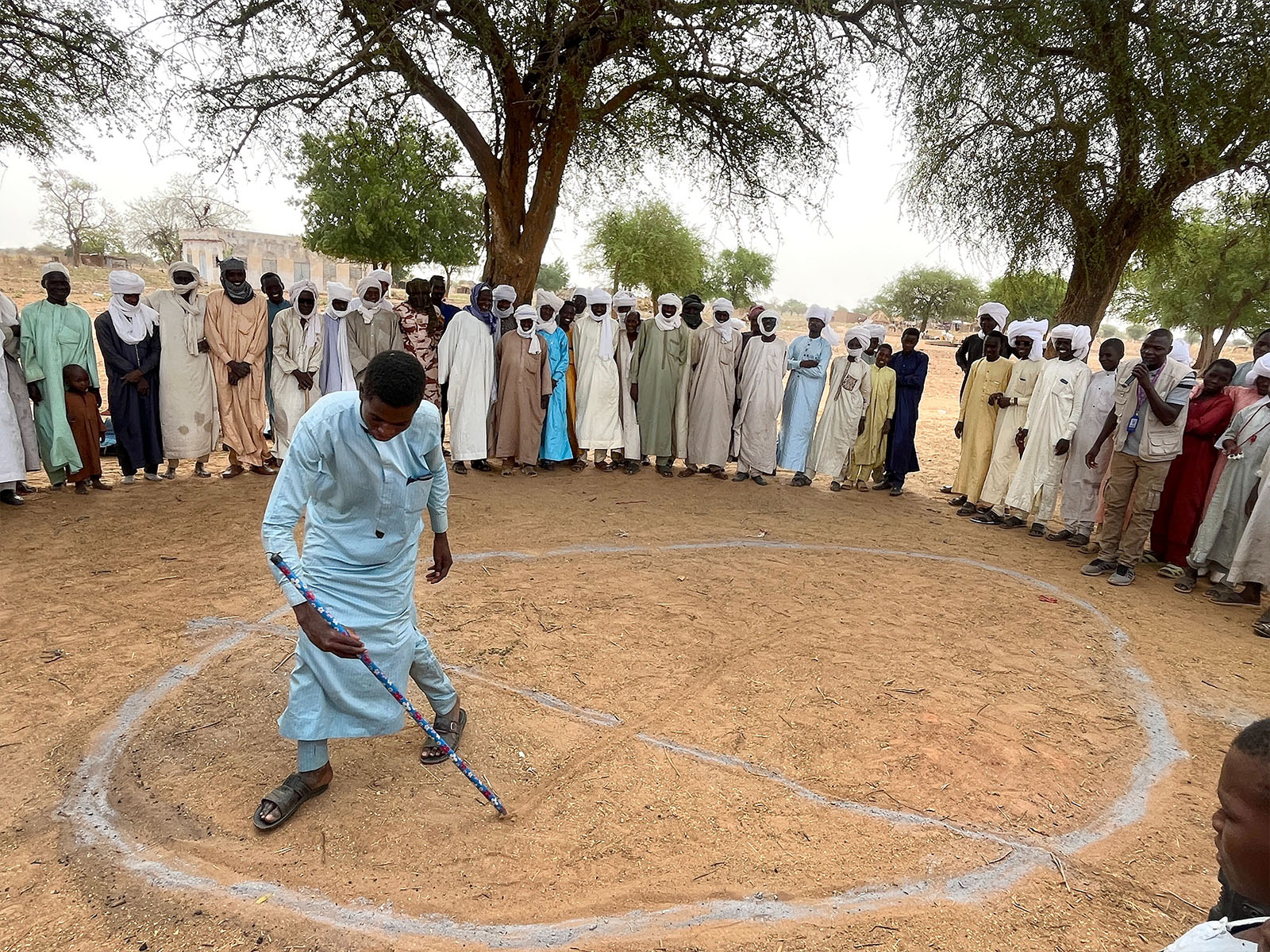

“My name is Kaka Tahir, I am 32 years old, a mother of four, and a farmer growing peanuts, okra, and maize to support my family. In the past, our village relied on a single hand pump that produced murky water, required us to wait up to four hours in line, and was so difficult to operate that it caused me severe back and chest pain. When the pump broke, we sometimes had to bring a mechanic from Dourbali 20 miles away, or I would travel up to seven miles to collect water, exhausting both myself and our animals. The long journeys were dangerous, and one day a storm forced me off the path, leaving me nine miles from the usual source. Many women suffered miscarriages, conflicts often broke out at the pump, and our entire community struggled because of the lack of safe water. Now, thanks to this project, we have clean water, improved health, proper hygiene, and deep gratitude for the team who brought lasting relief and joy to our village.”
In 2025, Water for Good spent $2,909,000 across all program areas to complete 62 new water points and help 24,102 more people gain access to safe water in Region 2 of the Central African Republic (CAR). Their local utility service team conducted 1,331 maintenance visits benefiting 403,013 users, including 47 solar powered pump systems. Through their pilot of the Vision of a Healthy Village program, they trained 39 WASH Facilitators and registered 217 Healthy Homes. Healthy Homes are households that meet defined WASH standards—adopting safe water, sanitation, hygiene, and clean environment practices—through locally led, door-to-door behavior change support. Water for Good is four years into their five-year strategic plan. In 2025, they were able to cover an additional 8% of the population in Region 2, improving water coverage by 48% over 4 years. By 2027, they plan to achieve 56% safe water access coverage of the region.


In 2025, All Access Founder and CEO Lane Kipp visited Water for Good’s work in Mayuge, Uganda. Watch the video here.
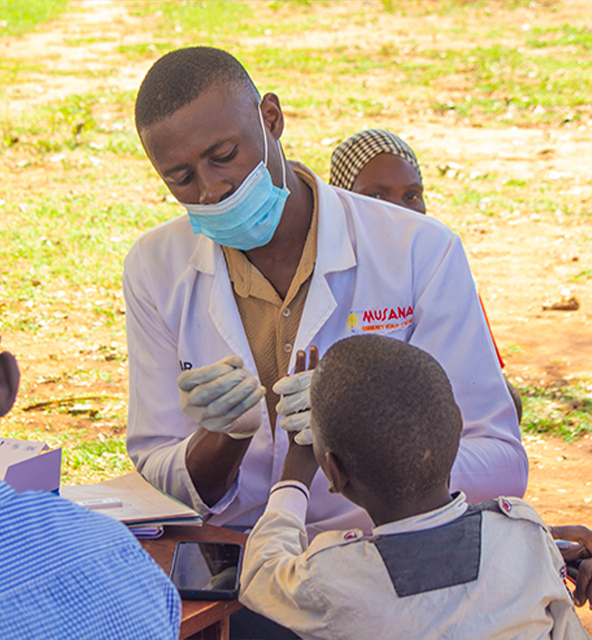
In 2025, Musana invested $3,344,367 of donations in eastern Uganda to build two new nursery and primary school campuses in Mayuge and Budaka and one vocational high school campus in Kamuli. They also invested in minor improvements of existing schools and hospitals, as well as purchased land for construction of two new hospitals to be built in 2026. Their 6 existing primary and vocational high schools and 3 hospitals across Eastern Uganda provided 5,364 students with affordable, high quality education and 59,875 patient visits with affordable, comprehensive healthcare. These schools and hospitals were 100% locally-sustained by $3,432,063 of locally earned revenue, employing 554 full-time Ugandan staff. The profits from these social enterprises enabled Musana to provide 2,068 students in extreme poverty with scholarships, as well as conduct 98 village health clinics in impoverished communities to provide healthcare for an additional 41,017 people.
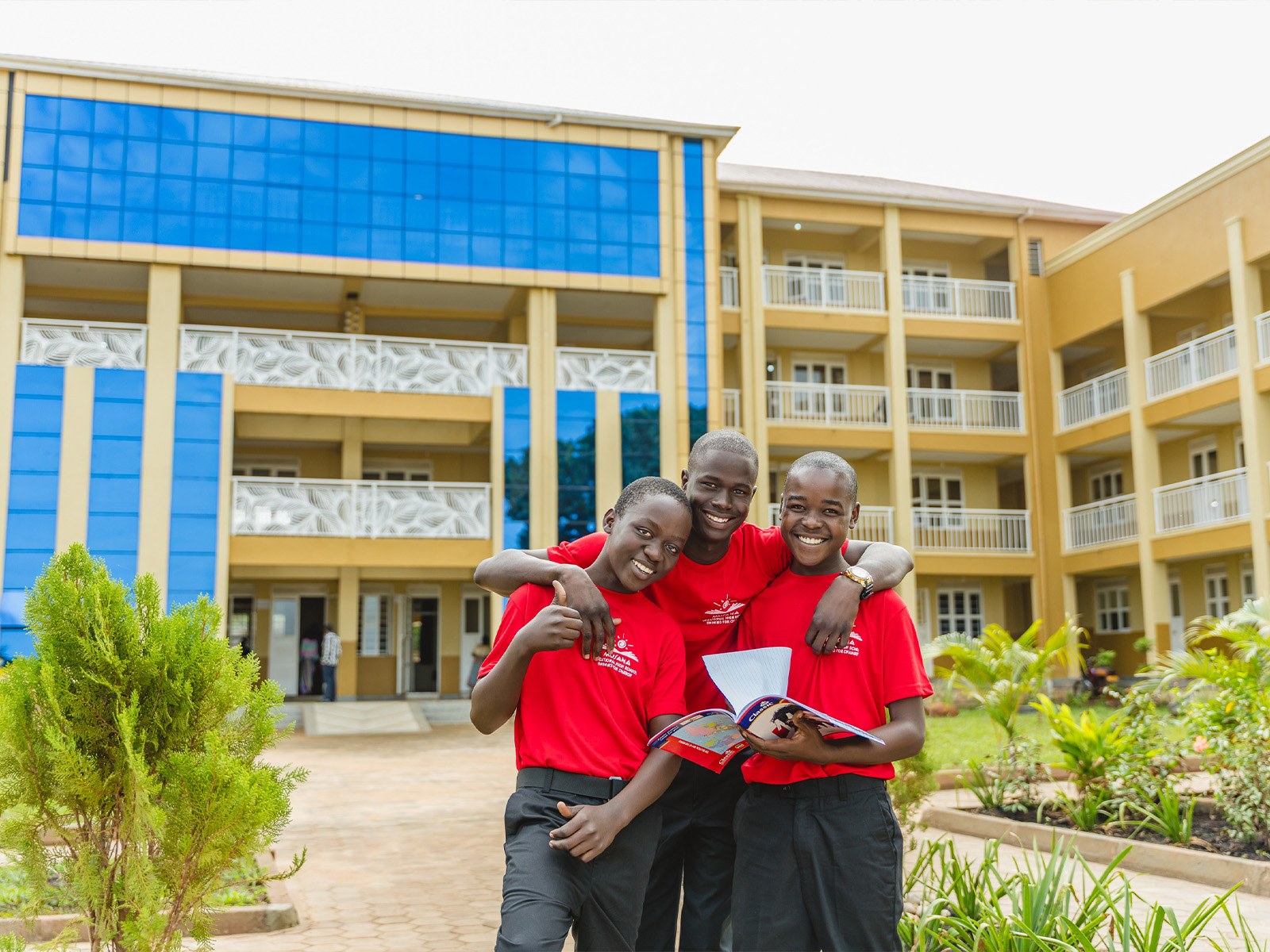

Go with Lane to visit Musana in East Uganda. Watch the video here.
In 2025, Christ in Asia spent $46,762 to complete a two-year Disciple Making Movement Coordinator Training program across four countries in South Asia to train 440 church planting coordinators. Their team worked with local churches to train believers how to lead Bible studies, make disciples and plant churches in the unreached communities around them through nonformal theological education, business development and the training of trainers. As a result, 810 Bible study groups were started, 825 churches were planted among ~100 unreached people groups, with 2,699 new believers having already been baptized. 64 businesses were also started to support their ministry work, and their 120 children’s clubs reached 3,600 children and their parents with the Gospel.


Ramesh, a small farmer in Bihar, joined a Discovery Bible Study led by a trained DMM coordinator. As he studied Scripture, he began applying what he learned, restoring broken relationships and leading his family in prayer. Soon, his home became a gathering place for neighbors who wanted to study the Bible. Within months, several families chose to follow Christ, and a simple house church was formed. What started as one man’s obedience grew into a multiplying fellowship, bringing spiritual and relational transformation to the entire community.
In 2025, 4:1 Network spent $3,483,465 to conduct its Replication Church Planter Trainings in 9 states in South Asia. They conducted 433 classes with an average of 23 church planters per class. Each class went through 5 modules of training, including: Evangelism, discipleship, church formation, leadership, and multiplication. As a result, 10,097 bi-vocational Church Planters graduated from the training, 171,932 new disciples were made, 48,409 prayer groups were formed, and 9,946 new worshipping groups were planted.
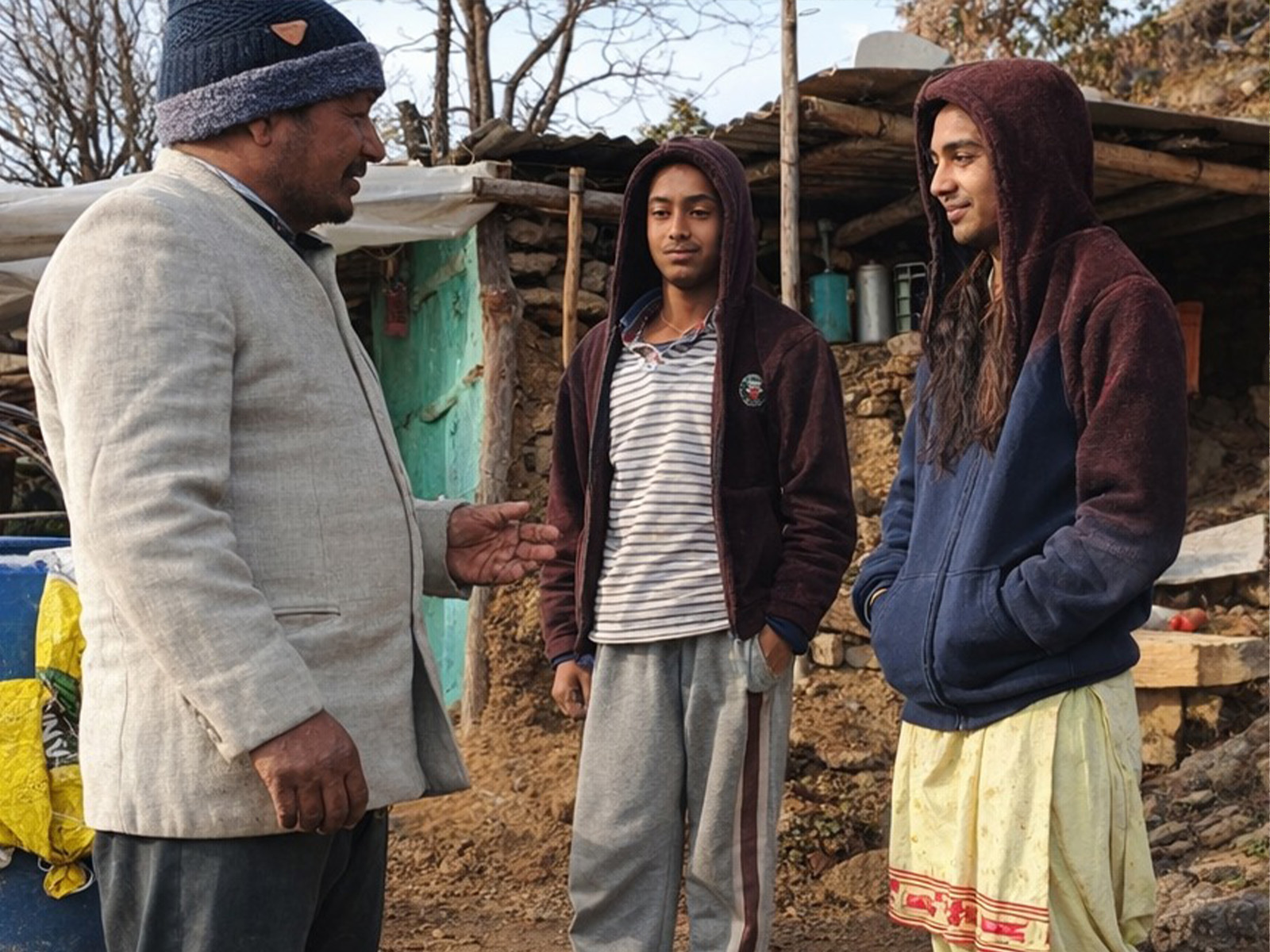
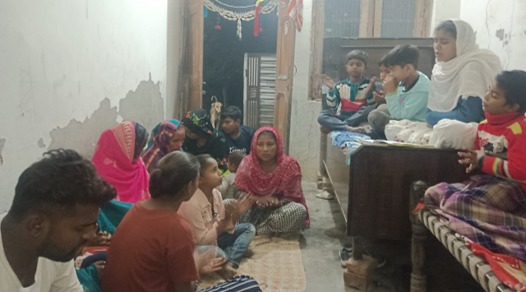
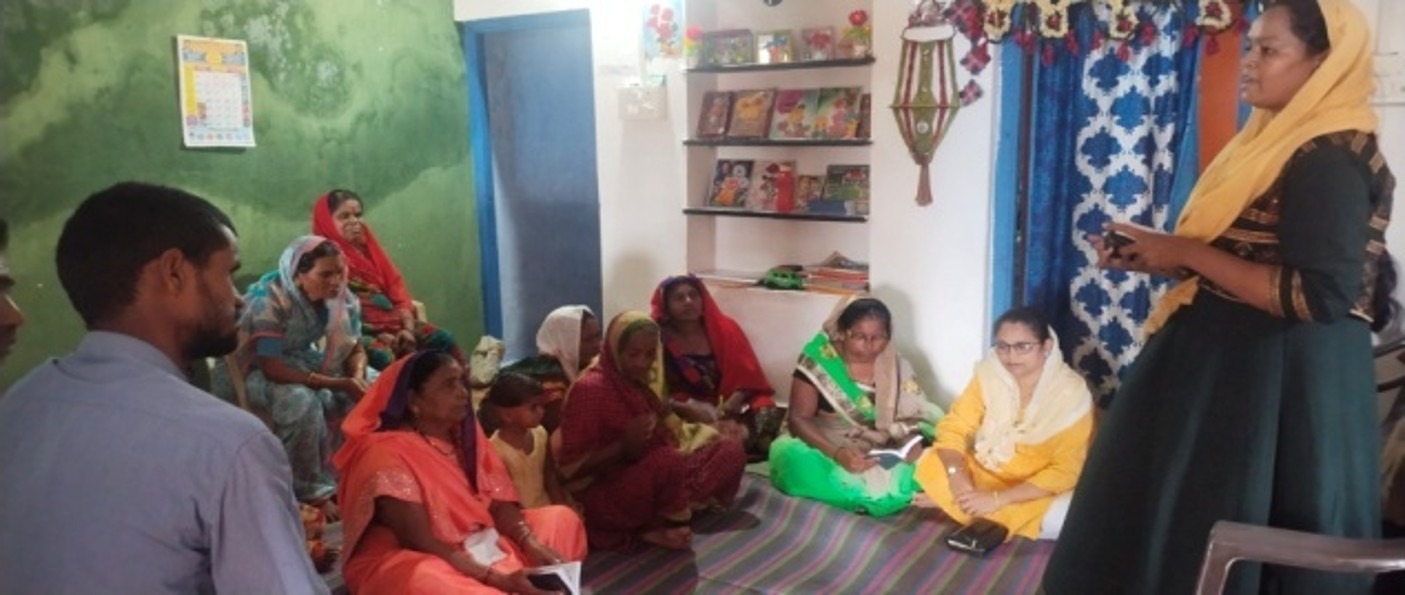
Parvati was brought up in a Hindu home and struggled with intense swelling throughout her body. Her pain was so severe, her family and people in her community were certain she was going to die. Parvati’s family sought out medical care for her, but nothing provided relief. Church Planter Arya was ministering in Parvati’s village and visited with Parvati every day. Arya prayed for Parvati and shared the Gospel with her. Over time, the swelling in Parvati’s body began to subside and her body healed. Parvati was so amazed, not only did she confess her sins and receive Jesus as Lord and Savior — but several families in her village received Jesus as well and a prayer group formed in her community.
In 2025, Project Twelve spent $5,443,496 to help train church planting and disciple making movement leaders in South and Southeast Asia as a part of its ACHIEVE Program (A Church In Every Village Everywhere). In South Asia, Project Twelve team trained 2,041 church planting mentors (Pauls), 39,274 church planters (Timothys) and 14,029 disciple makers (Tituses). In Southeast Asia, Project Twelve's team has trained 305 church planting mentors (Pauls), 3,589 church planters (Timothys) and 157 disciple makers (Tituses) so far in this new and growing program. As a result, Project Twelve has witnessed 11,422 new house churches start in many communities where there were no churches.


Sera, a former military leader in Southeast Asia, joined Project Twelve as a disciple maker and began discipling Lay. Sera encouraged Lay to visit a government-established village, mainly Buddhist, for people without housing. They slowly built trust with the village head. After hearing God's story, the village head, whose family was deeply broken by conflict, repented and accepted Christ. God restored his family, bringing peace and becoming a breakthrough for the village. Seeing this dramatic change, other villagers attended weekly fellowship gatherings. As the church grew, Sera noticed the children had no school. He brought this to the village head, and new believers immediately helped build a small community school structure. A villager volunteered to teach, and later, the government sent more teachers. Under simple tarps, villagers gathered weekly to pray and worship. More people came to Christ, experiencing healing and restoration; many were baptized. The transformation was so profound that local authorities renamed the village "Christian Community."
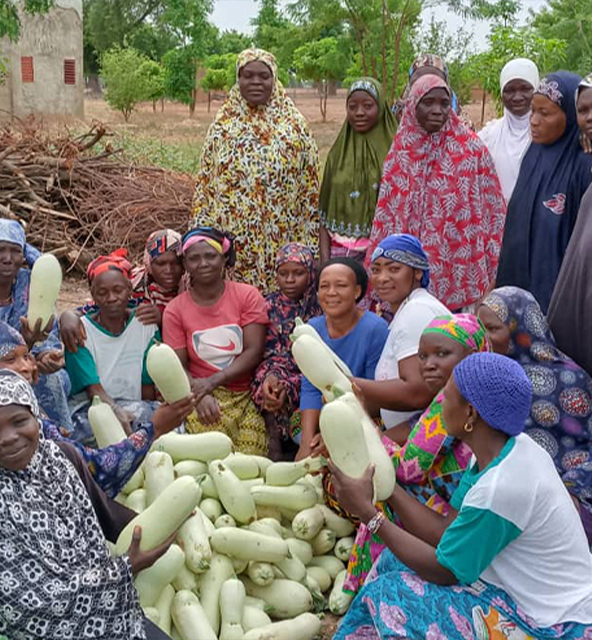
In 2025, FARM STEW spent $1,281,797 to train 7,627 households in 195 communities across Burkina Faso, Burundi, Chad, DRC, Ethiopia, South Sudan and Uganda. Through savings groups and training sessions, their Bible-based curriculum teaches families improved agricultural methods, proper disease and better money management and income generation methods. As a result, 3,147 households in 27 communities already achieved Certified FARM STEW status, meaning they have a crop yielding garden, children above the malnutrition line (MUAC ≥12.5 cm), improved safe water access, sanitation and hygiene practices and savings and income-generating activities. They expect 80% of certified households to rise above the poverty line of by their endline survey.

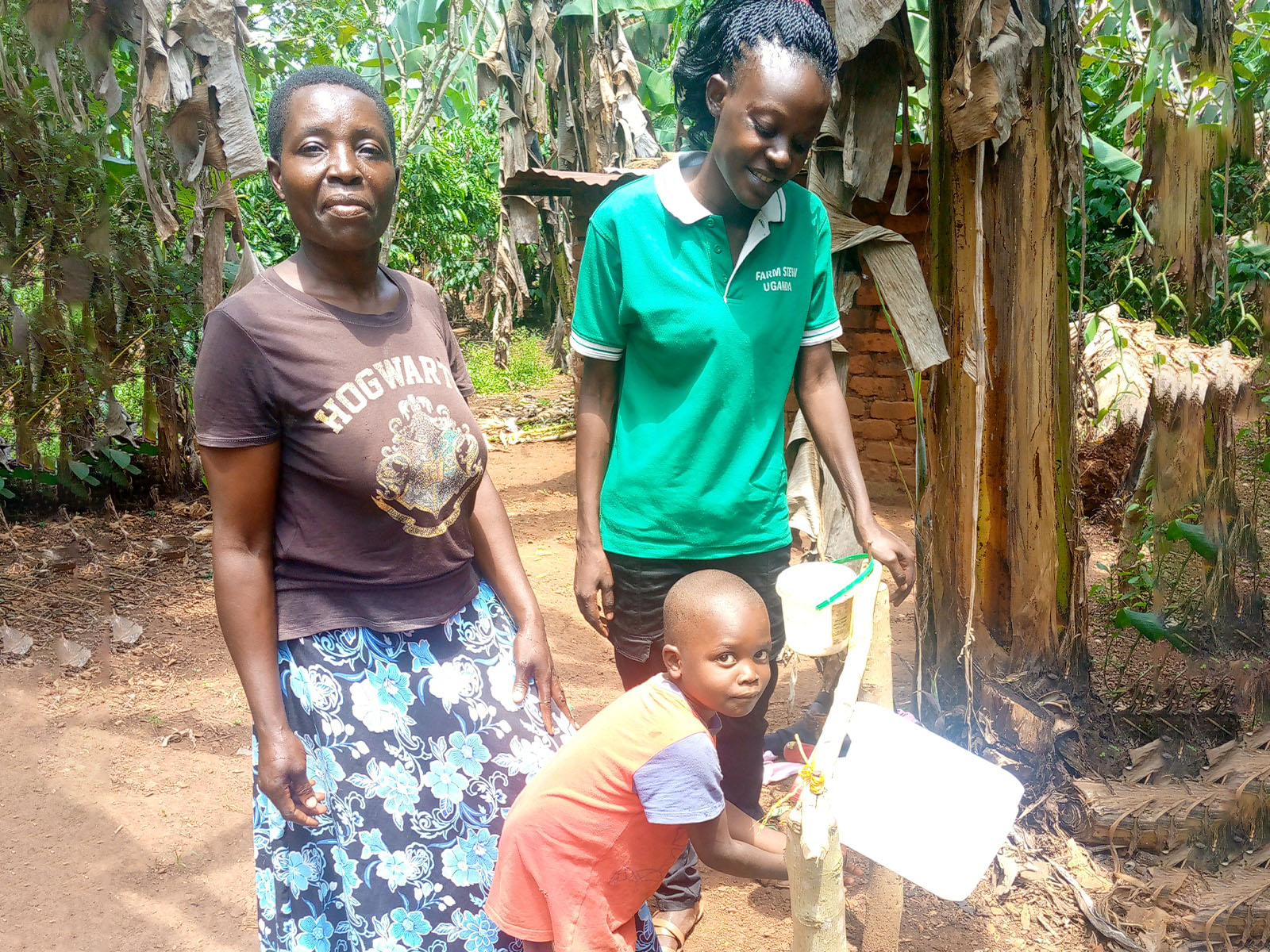
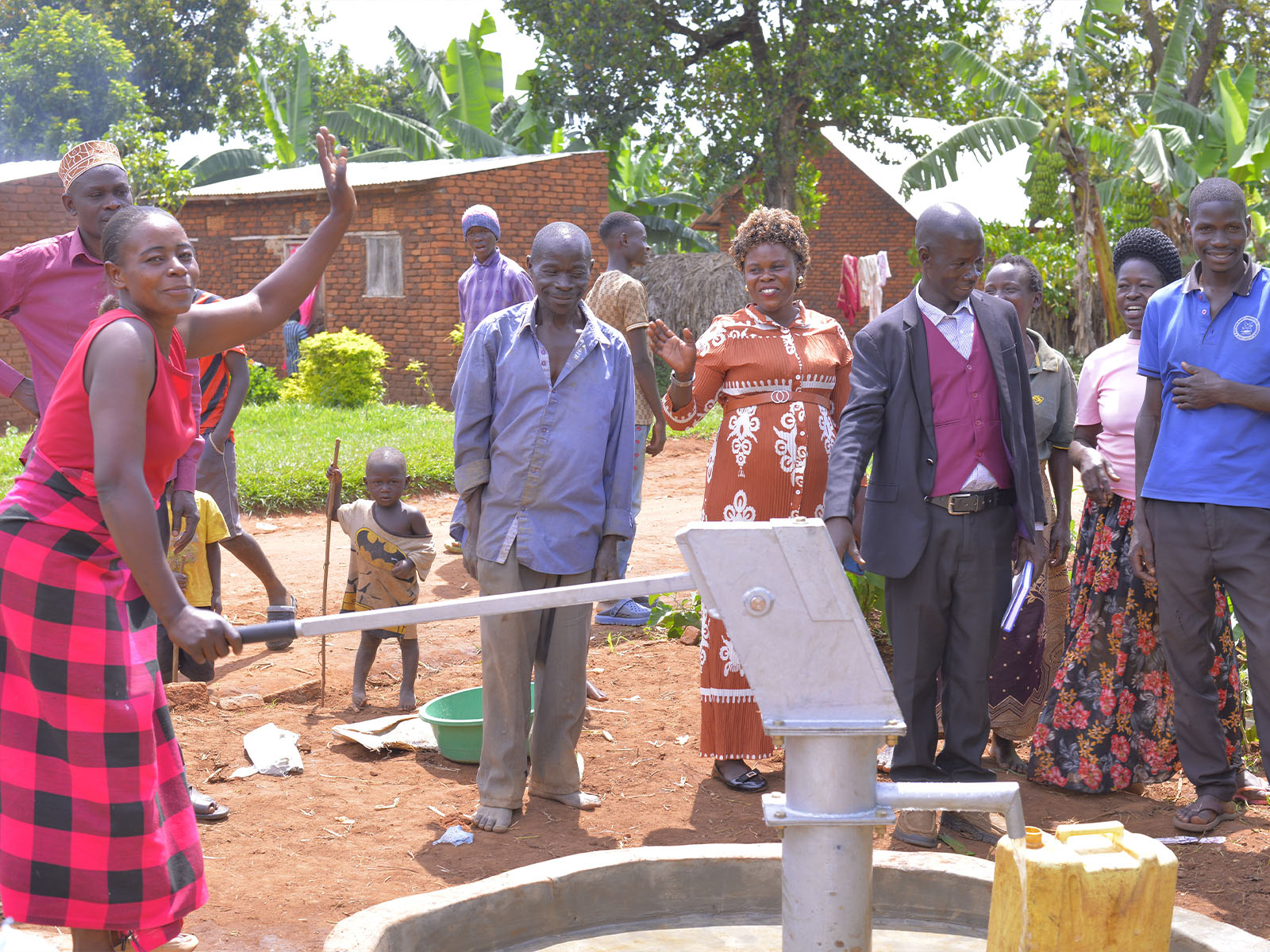
For years, families living in Bulyampindi Village, Uganda, have suffered due to contaminated water. The families carried all of their water from a small stream flowing out of a large swamp. The stream’s name, “Ikurando,” means “I will go there tomorrow when we are many.” This is exactly what women used to say as they thought of all the dangers between their homes and the water they desperately needed. The dirty water caused numerous diseases that are often deadly for children. “We have suffered a lot from various waterborne diseases in my family,” said Mutesi, a FARM STEW participant. “The main cause was the water which we used to get from the swamp, but there was nothing we could do because it was the only source of water nearby.” But when Mutesi’s community completed the FARM STEW training and qualified for a new water source, they enthusiastically celebrated. Now, they have access to safe drinking water just steps from their homes.
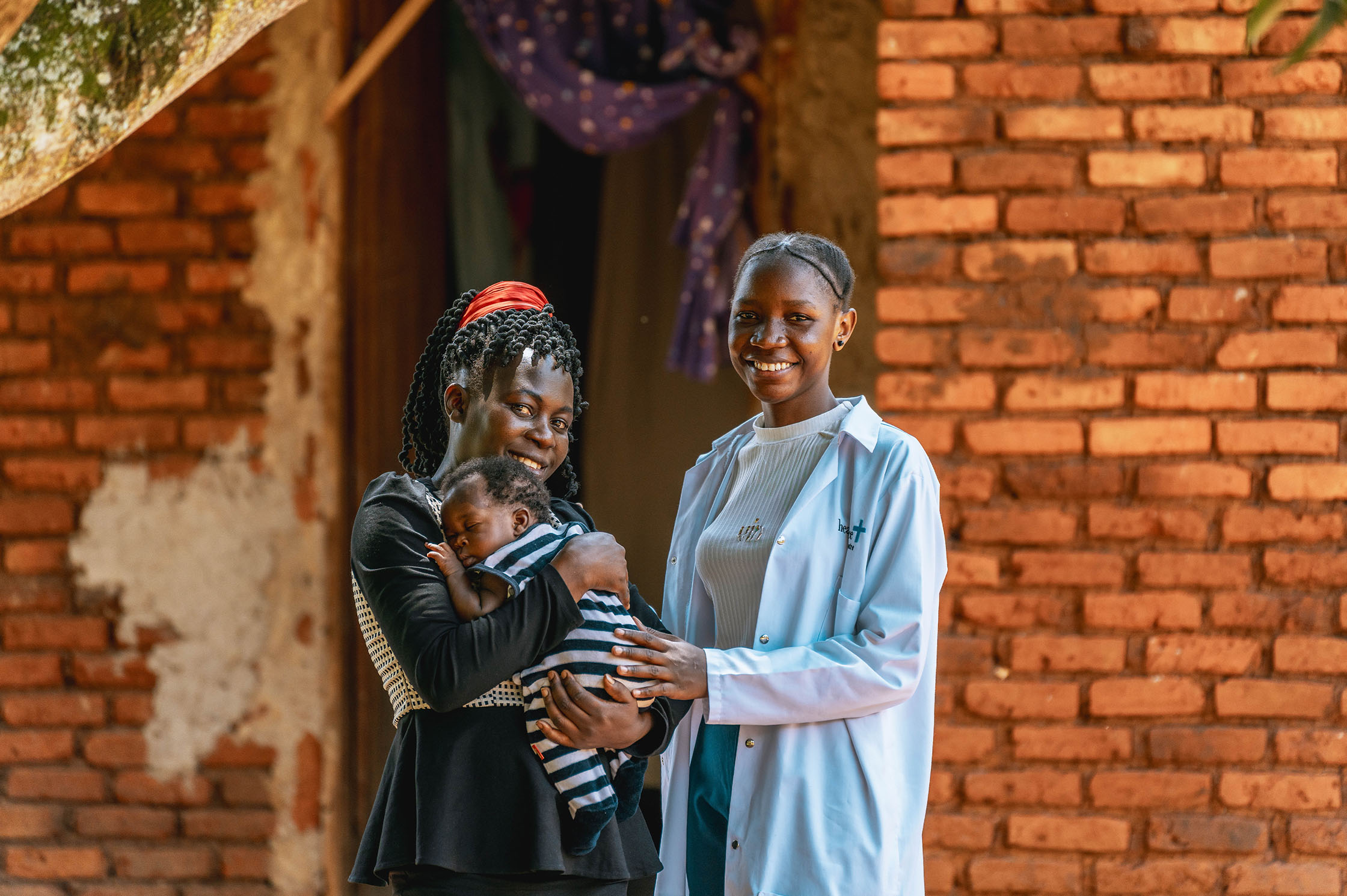
In 2025, AsOne Ministries spent $4,338,625 to expand and sustain their Christ-centered, locally-led schools and clinics across 7 districts in rural Uganda. They opened schools and clinics in two new communities, Luuka and Serere, and continued construction in Pallisa, which opened in February 2026. As a result, 3,812 students received high-quality education, over 53,450 patients were served in their comprehensive clinics, 33,800 farmers were trained in improved agricultural methods and 786 young people completed job training. AsOne experienced a 100% graduation rate of students with 81% of alumni employed or continuing education, a 94% increase in household income from agriculture training and 86% of vocational training students experiencing higher household income. This year, their programs achieved 82% operational self-sustainability through Ugandan earned revenue, employing 427 people.
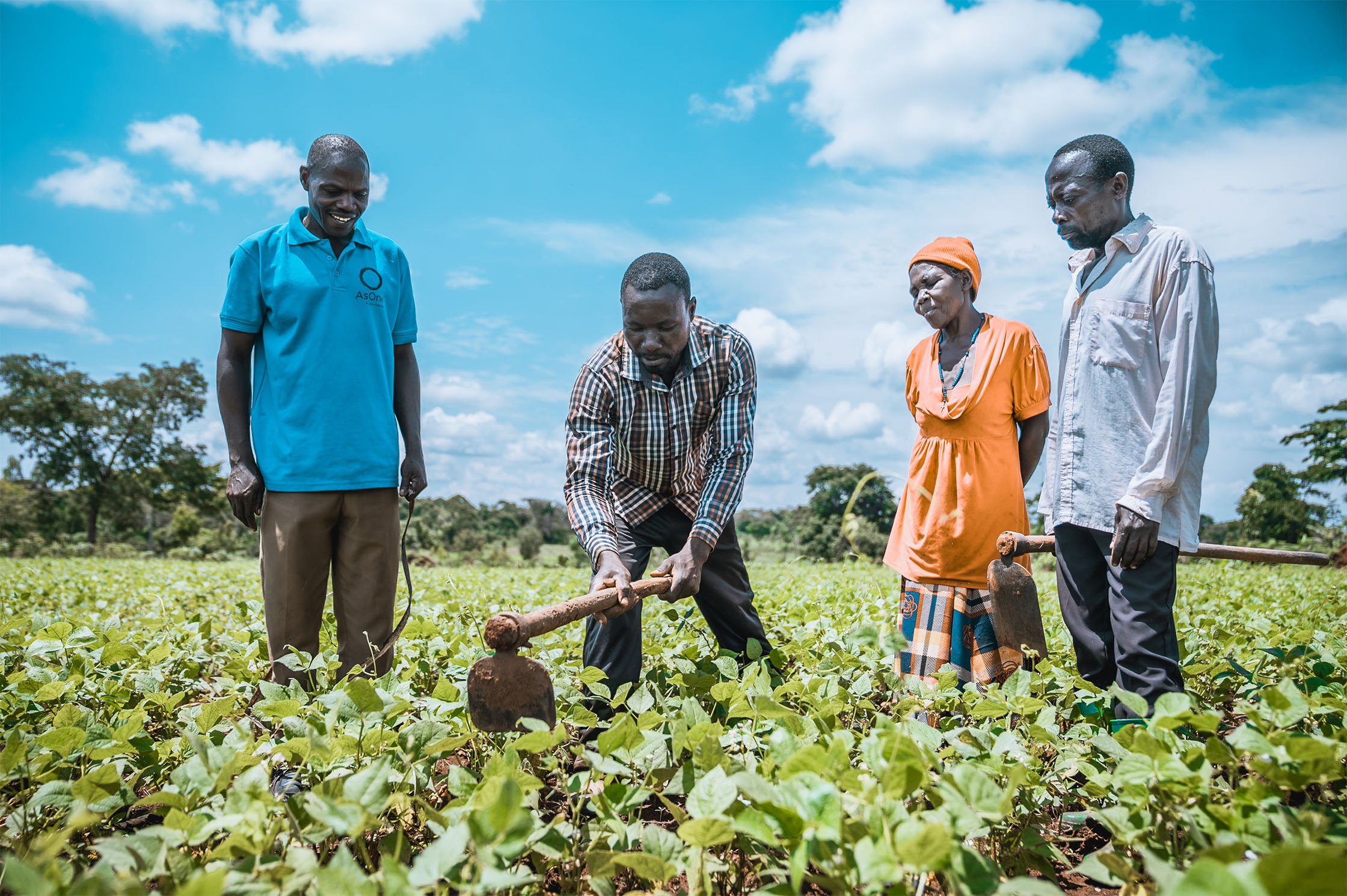

Derrick was one of the first students to join AsOne, struggling daily with reading, writing, and speaking English. Through his education at AsOne High School, he discovered a passion for biology and a dream of becoming a doctor to serve his community. Beyond academics, he grew in confidence, deepened his faith, and developed leadership skills—from captaining the football team to conducting independent research. Education also brought new opportunities and stability to his family through employment for his father. Today, Derrick stands with purpose, vision, and determination to graduate and become a doctor, showing how one young person’s growth can spark hope, transform a family, and inspire an entire community.
It takes all of us giving together.
Founder & CEO


Here's the 2025 financial summary.
Our favorite conversations
last year.
.png)
.png)

Our top articles from 2025.


Join the Fund.

impact analytics
We use analytics to evaluate organizations and find the most impactful projects.

100% to the field
100% of donations go to the vetted projects in our portfolio.

actively managed
We monitor these projects for you and report everything back to you every 90 days.
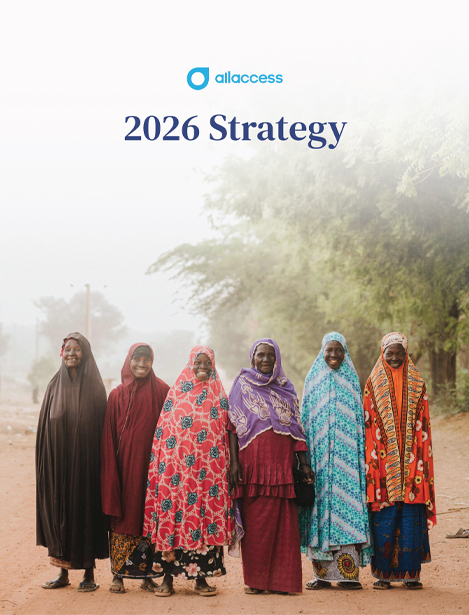
See our 2026 strategy.
See how we evaluate programs and increase your impact.